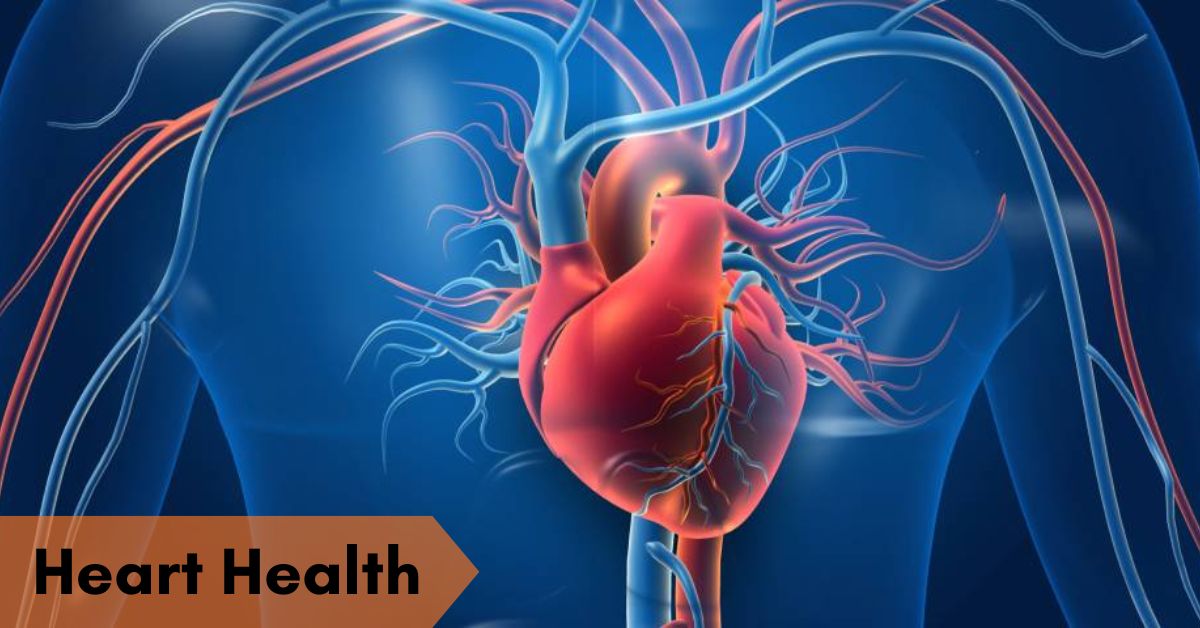
I started focusing on heart health a few years ago after feeling constantly tired and stressed. Small changes like daily morning walks, cutting back on processed foods, and practicing mindfulness made a huge difference. I noticed my energy levels improved, and my doctor even praised my improved blood pressure. Taking care of my heart taught me that consistency and balance truly pay off.
Heart health is essential for overall well-being, focusing on maintaining a strong cardiovascular system through balanced nutrition, regular exercise, stress management, and healthy lifestyle choices to prevent diseases and boost longevity.
In this article we will discuss “Heart Health.”
Understanding the Heart: Anatomy and Function
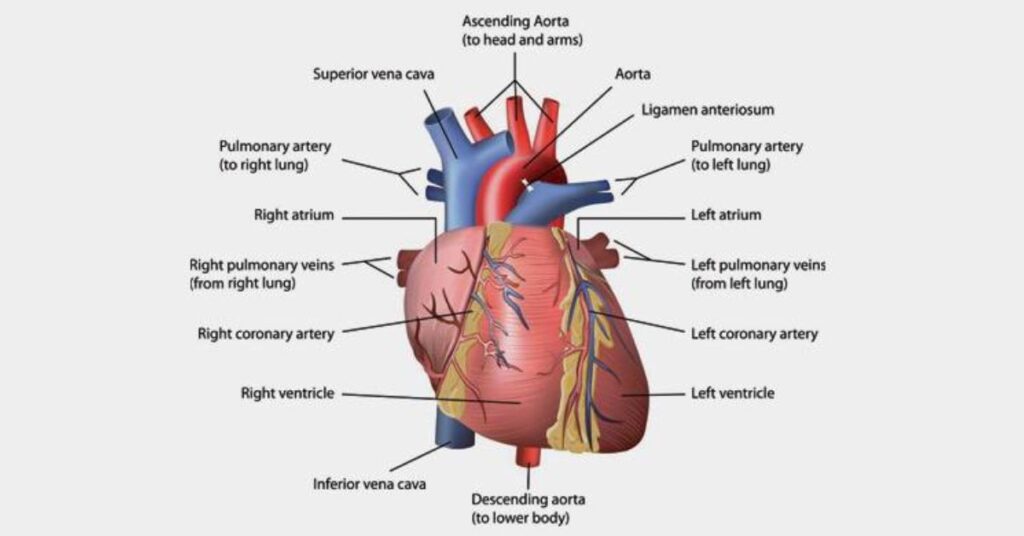
source: requestatest
The heart is a muscular organ roughly the size of a fist, but its function is remarkably complex. It consists of four chambers, two atria and two ventricles that work in coordination to circulate blood throughout the body.
Each heartbeat is powered by electrical impulses generated in the sinoatrial (SA) node, often referred to as the heart’s natural pacemaker. The rhythm and consistency of these beats determine how efficiently the body receives oxygen and nutrients.
Healthy heart function relies on:
- Strong cardiac muscles for effective pumping.
- Unobstructed blood vessels for smooth blood flow.
- Balanced cholesterol and blood pressure levels to reduce strain.
- Efficient electrical signaling for a regular heartbeat.
When one of these components is compromised due to plaque buildup, high blood pressure, or arrhythmias the risk of cardiovascular disease rises significantly.
Why Heart Health Matters
Cardiovascular disease remains the leading cause of death globally, responsible for millions of fatalities every year. However, most heart-related conditions are preventable with proper lifestyle adjustments and early intervention.
A healthy heart ensures:
- Efficient oxygen and nutrient delivery to organs.
- Improved energy levels and physical endurance.
- Reduced risk of stroke, heart attack, and chronic illnesses.
- Better brain function and mental clarity.
- Enhanced longevity and quality of life.
Ignoring early signs like fatigue, chest tightness, shortness of breath, or irregular heartbeats can lead to serious consequences. Taking proactive measures today protects your future health.
Common Risk Factors for Poor Heart Health
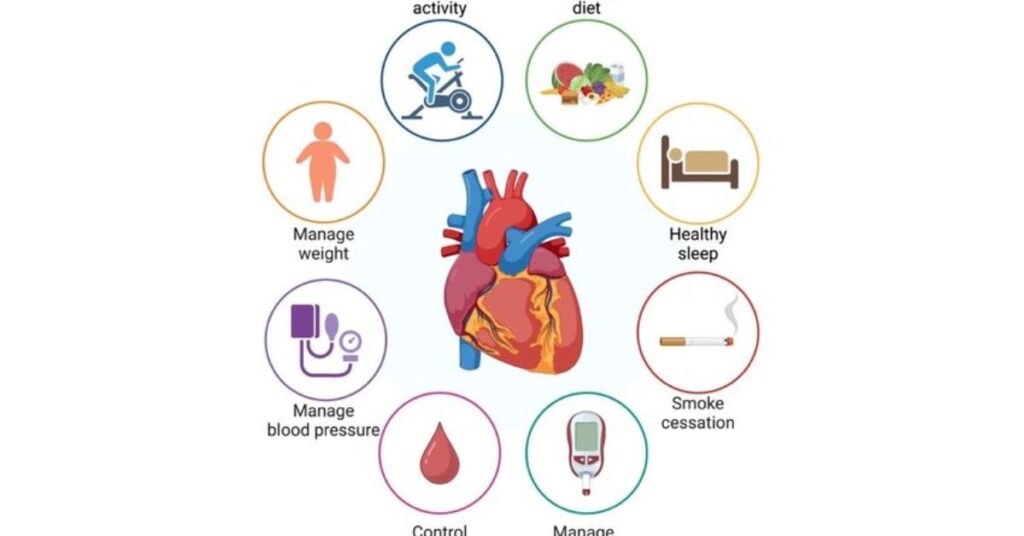
source: researchgate
Heart disease often develops silently over time, driven by both genetic and environmental influences. Recognizing risk factors early is crucial to prevention.
1. Unhealthy Diet
A diet high in trans fats, sodium, and refined sugars contributes to arterial plaque buildup and hypertension. Over time, this restricts blood flow and increases the risk of heart attacks.
2. Lack of Physical Activity
A sedentary lifestyle weakens the heart muscle, impairs circulation, and leads to obesity—a major driver of cardiovascular disease.
3. Smoking and Alcohol Consumption
Nicotine and other chemicals in cigarettes damage blood vessels, while excessive alcohol raises blood pressure and triglyceride levels.
4. Stress and Mental Health
Chronic stress elevates cortisol and adrenaline, hormones that can strain the cardiovascular system and increase inflammation.
5. Genetic Factors
A family history of heart disease raises the likelihood of developing similar conditions, making regular check-ups vital.
6. Medical Conditions
Diabetes, high cholesterol, and hypertension are closely linked to heart health. Managing these conditions can dramatically reduce cardiovascular risk.
The Role of Nutrition in Heart Health
Food is medicine and nowhere is this truer than in maintaining a healthy heart. A heart-healthy diet emphasizes nutrient-dense, anti-inflammatory foods that support circulation and reduce oxidative stress.
Key Nutrients for a Strong Heart
- Omega-3 Fatty Acids: Found in fish, walnuts, and flaxseeds, they reduce inflammation and prevent plaque buildup.
- Fiber: Soluble fiber in oats, legumes, and fruits lowers LDL (“bad”) cholesterol levels.
- Antioxidants: Vitamins C and E protect cells from oxidative damage.
- Potassium and Magnesium: These minerals help regulate blood pressure and maintain normal heart rhythms.
- Polyphenols: Present in green tea, dark chocolate, and berries, polyphenols improve blood vessel flexibility.
Foods to Avoid
Limit consumption of:
- Processed meats
- Fried foods
- Sugary beverages
- Excess salt
- Saturated and trans fats
Adopting the Mediterranean diet rich in olive oil, fish, fruits, vegetables, and whole grains is scientifically proven to promote cardiovascular longevity.
Exercise and Heart Performance
Exercise acts as a natural tonic for the heart. Regular physical activity enhances circulation, strengthens cardiac muscles, and helps maintain optimal body weight.
Recommended Exercises
- Aerobic Exercises: Activities like brisk walking, swimming, or cycling improve cardiovascular endurance.
- Strength Training: Builds muscle mass, improves metabolism, and stabilizes blood pressure.
- Flexibility and Balance Workouts: Yoga and stretching reduce stress hormones and enhance blood flow.
American Heart Association (AHA) recommends at least 150 minutes of moderate or 75 minutes of vigorous exercise per week for optimal heart health.
How Exercise Strengthens the Heart
- Increases stroke volume (amount of blood pumped per beat).
- Enhances oxygen utilization.
- Lowers resting heart rate.
- Reduces arterial stiffness.
Exercise isn’t just about fitness—it’s a cornerstone of longevity and emotional well-being.
Technology and Heart Health Monitoring
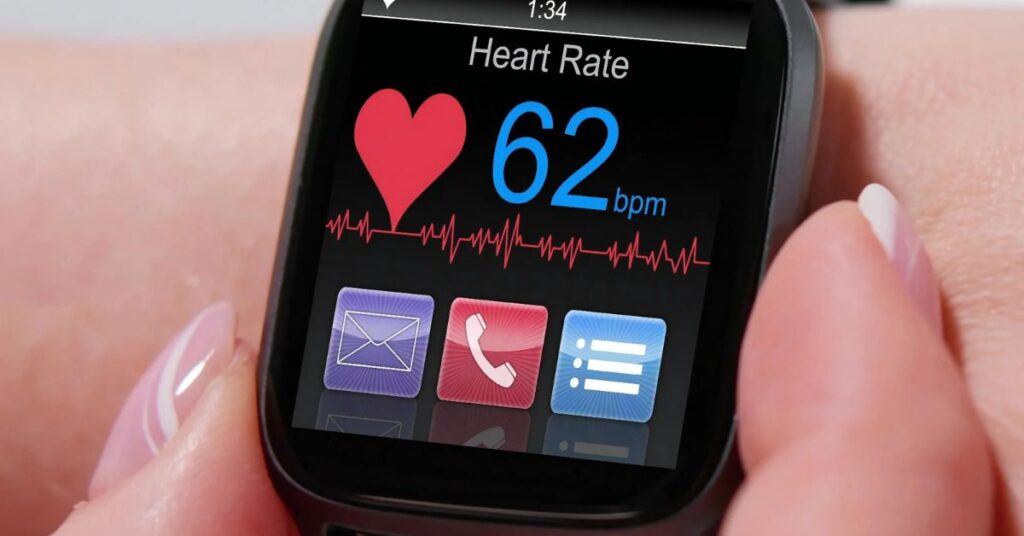
source: azosensors
Modern technology has revolutionized how we monitor and maintain heart health. Wearable devices, mobile apps, and AI-driven tools provide real-time insights into cardiovascular performance.
Popular Heart Health Technologies
- Smartwatches: Track heart rate, oxygen levels, and even detect irregular rhythms.
- ECG Monitors: Portable devices that can record electrical activity and detect arrhythmias.
- Blood Pressure Monitors: Home-based devices that help track trends over time.
- AI-Based Diagnostics: Algorithms that analyze heart scans and predict disease risks early.
Technology empowers individuals to stay informed and proactive, turning prevention into a daily habit.
The Connection Between Sleep and Heart Health
Sleep plays a crucial role in cardiovascular regulation. During deep sleep, blood pressure drops and the heart rate slows, allowing the body to recover.
Consequences of Poor Sleep
- Increased risk of hypertension and arrhythmia.
- Elevated stress hormone levels.
- Higher inflammation and insulin resistance.
Adults should aim for 7–9 hours of quality sleep nightly. Establishing a regular sleep schedule and avoiding screens before bedtime can greatly improve heart health.
Stress Management and Emotional Well-being
Emotional wellness directly impacts cardiovascular performance. Chronic stress activates the sympathetic nervous system, elevating heart rate and blood pressure.
Effective Stress-Reduction Techniques
- Mindfulness and Meditation: Promote relaxation and reduce cortisol.
- Deep Breathing Exercises: Improve oxygenation and reduce anxiety.
- Spending Time Outdoors: Sunlight boosts mood-regulating serotonin.
- Social Connections: Positive relationships lower heart disease risk.
Balancing work, rest, and recreation is essential for a healthy heart.
Preventive Care: Screenings and Checkups
Preventive healthcare remains the most powerful tool for combating heart disease. Early detection enables timely intervention and lifestyle adjustments.
Recommended Screenings
- Blood Pressure: At least once a year.
- Cholesterol Levels: Every 4–6 years (more often if at risk).
- Blood Sugar: Regular monitoring for diabetics or pre-diabetics.
- Electrocardiogram (ECG): If experiencing irregular heart rhythms.
Collaborating with your healthcare provider ensures that potential issues are addressed before they escalate.
Heart Health in Different Age Groups

source: heart.org
In Your 20s and 30s
Focus on building habits, balanced diet, regular exercise, and avoiding smoking or excessive drinking.
In Your 40s and 50s
Monitor cholesterol and blood pressure regularly, manage stress effectively, and stay physically active.
In Your 60s and Beyond
Prioritize low-impact activities, maintain medical checkups, and stay mentally and socially engaged to protect both heart and mind.
The Science of Cholesterol and Blood Pressure
Cholesterol
Cholesterol isn’t inherently bad, it’s essential for hormone production and cell repair. However, excess LDL cholesterol can accumulate in arteries, leading to plaque and restricted blood flow.
Blood Pressure
Ideal blood pressure is around 120/80 mmHg. Consistently high readings strain the heart and increase the risk of stroke or heart failure. Reducing sodium intake and staying active are effective management strategies.
Modern Medical Treatments and Interventions
For individuals diagnosed with cardiovascular conditions, medical advancements offer effective treatments.
Common Interventions
- Medications: Statins, beta-blockers, and ACE inhibitors regulate cholesterol and blood pressure.
- Angioplasty and Stents: Open blocked arteries and restore blood flow.
- Bypass Surgery: Creates alternate pathways for blood circulation.
- Implantable Devices: Pacemakers and defibrillators maintain normal rhythm.
Consulting a cardiologist and following prescribed regimens can significantly extend life expectancy and improve daily quality of life.
Heart Health and Modern Lifestyle Challenges
In today’s fast-paced world, maintaining heart health has become increasingly difficult. Urbanization, desk jobs, and digital dependency have created environments where physical activity is limited, stress is constant, and nutrition often takes a back seat. This combination fosters conditions like obesity, hypertension, and metabolic syndrome all of which place significant strain on the heart.
1. Sedentary Habits
Sitting for long hours reduces blood circulation, leading to increased cholesterol levels and insulin resistance. Experts recommend standing or walking breaks every 30 minutes to keep blood flowing efficiently.
2. Processed Foods and Convenience Diets
Modern diets are often high in sodium and low in essential nutrients. Frequent consumption of fast food and processed snacks increases bad cholesterol while reducing the body’s ability to regulate blood sugar.
3. Digital Stress and Sleep Deprivation
Constant exposure to blue light from screens interferes with melatonin production, reducing sleep quality. Sleep deprivation, in turn, elevates stress hormones like cortisol, directly impacting heart rhythm and blood pressure.
Balancing modern conveniences with conscious lifestyle choices such as meal prepping, scheduled physical activity, and digital detox periods can mitigate these risks effectively.
Heart Health for Professionals and High-Stress Occupations

source: pdcenterlv.
Certain professions, such as healthcare, aviation, and corporate management, are associated with high levels of occupational stress, irregular sleep, and poor dietary habits. These factors combine to create a “perfect storm” for heart disease.
Managing Heart Health in Demanding Jobs
- Time-Blocking for Exercise: Even 20 minutes of brisk activity during lunch breaks can improve circulation.
- Mindful Eating: Replacing vending machine snacks with nuts, fruits, or yogurt stabilizes blood sugar and reduces cravings.
- Controlled Breathing Techniques: Practicing deep breathing lowers stress and regulates blood pressure.
- Regular Medical Screenings: Early detection allows timely management of hypertension and cholesterol issues.
Employers and organizations should encourage wellness programs and provide facilities for exercise, stress relief, and healthy eating to promote heart-healthy work environments.
The Link Between Heart Health and Other Organs
The heart doesn’t function in isolation; it interacts closely with other organ systems. Understanding these relationships helps in creating comprehensive health strategies.
Heart-Brain Connection
A healthy heart ensures optimal blood flow to the brain, supporting memory and cognitive function. Conversely, cardiovascular issues can increase the risk of stroke and vascular dementia.
Heart-Kidney Relationship
The kidneys regulate fluid balance and blood pressure. When the heart weakens, reduced circulation can impair kidney function, leading to fluid retention and worsening hypertension.
Heart-Lung Coordination
The lungs supply oxygen to the blood. Conditions like COPD (Chronic Obstructive Pulmonary Disease) can strain the heart, especially the right ventricle, leading to heart failure if unmanaged.
Recognizing these interconnections emphasizes that heart health is central to total body wellness.
Supplements and Heart Health: What Works and What Doesn’t
While food should always be the primary source of nutrients, certain supplements can support cardiovascular health especially for individuals with dietary restrictions or specific medical conditions.
Beneficial Supplements
- Fish Oil (Omega-3): Reduces triglycerides and improves arterial flexibility.
- Coenzyme Q10 (CoQ10): Supports mitochondrial energy production in heart cells.
- Magnesium: Regulates heartbeat and prevents arrhythmias.
- Vitamin D: Low levels are linked to hypertension and increased cardiovascular risk.
- Plant Sterols: Naturally lower LDL cholesterol.
Supplements to Avoid Without Medical Advice
Overconsumption of calcium, iron, or vitamin E can sometimes worsen heart conditions or interact with medications. Consulting a healthcare professional before starting any supplement is essential.
Heart Health for Athletes and Active Individuals
Athletes often have superior cardiovascular endurance, but even they must maintain balance. Overtraining, dehydration, and inadequate recovery can stress the heart.
Optimizing Performance While Protecting the Heart
- Hydration: Electrolyte balance is crucial to prevent arrhythmias.
- Rest Days: Recovery helps maintain heart rate variability and prevents fatigue.
- Balanced Nutrition: Adequate carbs, proteins, and fats sustain cardiac energy metabolism.
- Monitoring: Regular ECG and blood pressure checks are recommended, especially for endurance athletes.
Heart health in athletes is about sustainable performance not pushing limits at the cost of long-term well-being.
Women’s Heart Health: Breaking the Myths
Heart disease is often perceived as a “man’s disease,” but it is the leading cause of death among women worldwide. Unfortunately, women’s symptoms often differ from men’s and are sometimes misdiagnosed.
Common Symptoms in Women
- Fatigue or dizziness
- Shortness of breath
- Nausea or jaw pain
- Unexplained anxiety
Hormonal Influence
Estrogen offers protective effects before menopause, but post-menopausal women experience higher risks due to declining hormone levels. Maintaining physical activity, balanced nutrition, and regular checkups can help mitigate these effects.
Educating women about early warning signs and gender-specific risks is essential for improving survival rates and heart awareness.
The Economic and Social Impact of Heart Disease
Heart disease not only affects individuals but also has broader economic and social implications. It contributes to healthcare costs, loss of productivity, and emotional strain on families.
Global Statistics
According to the World Health Organization (WHO), cardiovascular diseases account for over 17 million deaths annually more than all forms of cancer combined. Early prevention can drastically reduce healthcare costs and increase lifespan.
Social Awareness Campaigns
Public education programs such as World Heart Day aim to raise awareness about preventive care, healthy eating, and the dangers of tobacco use. Grassroots movements and digital campaigns have also played a vital role in spreading heart health literacy worldwide.
Building a Sustainable Heart-Healthy Routine
Maintaining heart health doesn’t require drastic changes overnight; it’s about forming sustainable habits that align with your lifestyle and goals.
Practical Daily Habits
- Start your day with a 10-minute walk or stretch.
- Replace sugary drinks with water or green tea.
- Prepare home-cooked meals at least five times a week.
- Practice gratitude or meditation before bed.
- Schedule health checkups annually.
These small yet consistent efforts compound over time, leading to measurable improvements in cardiovascular strength and overall vitality.
Frequently Asked Questions:
1. How can I improve my heart health?
Exercise regularly, eat a balanced diet rich in fruits, vegetables, and whole grains, avoid smoking, limit alcohol, manage stress, and maintain healthy blood pressure and cholesterol levels for optimal heart performance.
2. What are three foods cardiologists say not to eat?
Cardiologists recommend avoiding processed meats, fried foods, and sugary beverages since they increase cholesterol, blood pressure, and inflammation, significantly raising the risk of heart disease and arterial damage.
3. What are three early warning signs your heart is failing?
Early signs include shortness of breath, swelling in the legs or ankles, and persistent fatigue, all indicating the heart’s inability to pump blood effectively throughout the body.
4. Can a weak heart become strong again?
Yes, with proper treatment, medication, heart-healthy eating, exercise, and stress control, many people can strengthen heart muscles and improve cardiovascular efficiency over time.
5. What is the #1 worst habit for your heart?
Smoking is the worst habit. It damages arteries, raises blood pressure, reduces oxygen in the blood, and accelerates plaque buildup, dramatically increasing heart disease risk.
6. What drink calms the heart?
Green tea and hibiscus tea calm the heart by lowering blood pressure, improving circulation, and reducing oxidative stress with their powerful natural antioxidants.
7. What is the #1 worst drink for your heart?
Sugary sodas are the worst; they raise blood sugar, cause weight gain, increase triglycerides, and contribute to inflammation that harms cardiovascular health.
8. What is the number one food to clean arteries?
Fatty fish like salmon and mackerel, rich in omega-3 fatty acids, reduce inflammation and plaque buildup, effectively helping to keep arteries clean and flexible.
9. Why shouldn’t you eat blueberries for breakfast?
Eating only blueberries may spike blood sugar; instead, combine them with protein or fiber sources like yogurt or oats for balanced, sustained energy and heart benefits.
10. How do I tell if my heart is struggling?
Watch for persistent fatigue, chest tightness, irregular heartbeat, swelling, or shortness of breath key indicators your heart may be under strain or weakening.
Conclusion:
Heart health is not just about preventing disease it’s about building a foundation for a longer, stronger, and more fulfilling life. By prioritizing balanced nutrition, regular exercise, quality sleep, and stress management, anyone can significantly reduce their risk of cardiovascular problems. Modern technology and preventive care now make it easier than ever to monitor and protect your heart. Remember, every heartbeat is a signal of life and energy nurture it daily through conscious, consistent choices. A healthy heart truly means a healthier, happier you.
Leave a Reply