
A few years ago, I faced an unexpected medical emergency that made me realize just how important health insurance truly is. The hospital bills were overwhelming, but my insurance coverage helped me manage the costs without financial stress. That experience taught me that health insurance isn’t just a policy, it’s peace of mind during life’s most uncertain moments. It gave me access to quality care when I needed it most and protected my savings from being wiped out. Since then, I’ve always seen health insurance as a vital part of financial and personal security.
Health insurance is a financial safety net that helps cover medical expenses such as doctor visits, hospital stays, surgeries, and medications, ensuring individuals receive quality healthcare while protecting them from high out-of-pocket costs.
In this article we will explore “Health Insurance.”
What Is Health Insurance?
Health insurance is a formal agreement between an individual (or a group) and an insurance provider, designed to cover medical expenses arising from illness, injury, or preventive care. In exchange for regular premium payments, the insurer agrees to pay part or all of the policyholder’s healthcare costs, based on the plan’s terms and coverage limits.
Essentially, health insurance functions as a risk management tool, protecting individuals from financial hardship caused by unexpected medical expenses. It bridges the gap between healthcare affordability and quality, providing peace of mind that one’s well-being won’t come at the expense of financial security.
How Health Insurance Works
Understanding how health insurance functions helps policyholders make informed choices and use their coverage effectively. Most plans include several cost components: premiums, deductibles, copayments, coinsurance, and out-of-pocket maximums which together determine your overall financial responsibility.
1. Premiums
A premium is the regular payment (monthly or annually) made to maintain health insurance coverage. It’s the fixed cost that keeps your policy active, regardless of whether you use medical services.
2. Deductibles
A deductible is the amount you must pay for medical care before your insurance begins to share costs. Generally, higher deductibles lead to lower premiums, and vice versa.
3. Copayments and Coinsurance
- Copayment (Copay): A fixed amount (e.g., $20 for a doctor visit) paid for specific services.
- Coinsurance: A percentage (e.g., 20%) of the medical cost you pay after meeting your deductible.
4. Out-of-Pocket Maximum
The out-of-pocket maximum is the total limit you’ll pay within a policy year. Once reached, your insurer covers 100% of additional covered expenses.
Understanding this cost-sharing structure is crucial; it determines the balance between your monthly costs and what you’ll pay when you need care.
Types of Health Insurance Plans
Health insurance comes in various forms, depending on who provides it and how healthcare services are managed. Each plan type offers a different mix of flexibility, cost, and convenience.
1. Individual and Family Health Plans
Purchased directly from insurers or through government exchanges, these plans cover individuals or entire families. They’re ideal for self-employed individuals or those without employer-sponsored insurance.
2. Employer-Sponsored Health Insurance
These plans are offered by employers and typically include shared premium costs between the employer and employee. They often provide broader coverage options and lower group rates.
3. Government-Sponsored Health Insurance
Publicly funded programs that ensure coverage for specific groups:
- Medicare: For individuals aged 65+ or those with certain disabilities.
- Medicaid: For low-income families and individuals.
- CHIP (Children’s Health Insurance Program): For children from low-income households.
- Veterans Affairs (VA): For military veterans and their dependents.
4. Managed Care Plans
Managed care models focus on cost efficiency and coordinated care through a network of providers. Common types include:
a. HMO (Health Maintenance Organization)
Requires members to select a Primary Care Physician (PCP) who coordinates care and provides referrals to specialists. Lower costs, but limited provider flexibility.
b. PPO (Preferred Provider Organization)
Offers greater flexibility you can see specialists without referrals and use out-of-network providers (at higher costs).
c. EPO (Exclusive Provider Organization)
Provides services only within the plan’s network, except in emergencies. Lower costs, but less flexibility.
d. POS (Point of Service Plan)
A hybrid of HMO and PPO structures, requiring referrals for specialists but offering partial out-of-network coverage.
Each plan type balances affordability and accessibility differently, allowing consumers to choose based on personal healthcare needs and financial goals.
The Importance of Health Insurance
source: groupplansinc
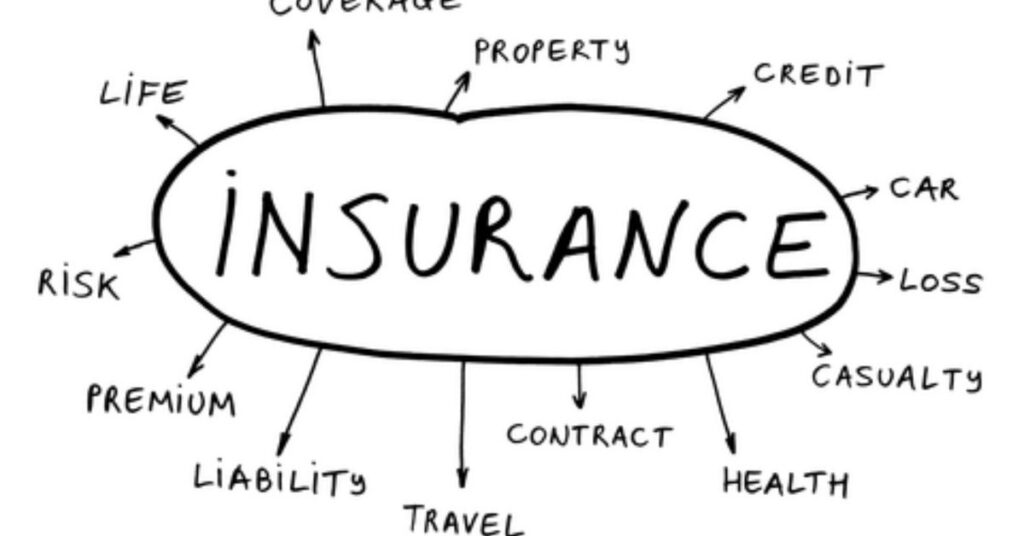
Health insurance is more than a financial product it’s an essential pillar of modern healthcare. Its benefits extend beyond individuals, influencing families, communities, and entire economies.
1. Financial Protection
Unexpected illnesses or accidents can result in enormous medical bills. Health insurance shields you from financial strain by covering a significant portion of these costs.
2. Access to Quality Healthcare
Insurance plans open doors to a network of doctors, hospitals, and specialists, ensuring timely care and better health outcomes.
3. Preventive Healthcare
Most insurance plans cover preventive services such as immunizations, screenings, and annual checkups helping identify health risks before they escalate.
4. Mental and Emotional Security
Knowing you’re covered during health emergencies offers emotional relief, allowing you to focus on recovery instead of financial worry.
5. Public Health Benefits
Broad insurance coverage promotes population health and reduces unpaid hospital care, easing the overall burden on national healthcare systems.
Key Components of a Health Insurance Policy
A strong understanding of policy terms ensures that you maximize the value of your insurance.
1. Coverage and Benefits
Defines what’s included hospital stays, surgeries, diagnostics, maternity care, rehabilitation, and prescriptions.
2. Exclusions
Specifies what’s not covered, such as cosmetic surgery or experimental treatments. Always review exclusions before buying a policy.
3. Network Providers
Staying within the insurer’s approved network of hospitals and physicians typically lowers your costs.
4. Preauthorization
Certain treatments require advance approval to ensure coverage especially for high-cost procedures or hospital admissions.
5. Claim Process
Insurers may reimburse you or directly pay healthcare providers. Efficient claim handling enhances your experience.
6. Renewability
Opt for policies with lifetime renewability to maintain long-term protection without reapplying.
How to Choose the Right Health Insurance Plan
Choosing a suitable plan involves evaluating your financial capacity, health requirements, and future goals.
1. Assess Your Needs
Consider factors like age, family size, lifestyle, and chronic health conditions.
2. Compare Coverage
Use comparison tools or government marketplaces to evaluate multiple plans side-by-side.
3. Check the Sum Insured
Ensure the policy’s coverage limit matches current healthcare costs in your region.
4. Review Network Hospitals
A broader hospital network ensures easy access to cashless treatment during emergencies.
5. Consider Add-On Covers
Riders like critical illness, maternity, or accident coverage can provide extra protection.
6. Examine Waiting Periods
Understand waiting periods for pre-existing or maternity conditions before benefits become active.
7. Evaluate Claim Settlement Ratio
Higher settlement ratios indicate reliability in paying legitimate claims promptly.
Understanding Premium Calculation
Health insurance premiums are influenced by multiple factors. Recognizing these variables helps you select a plan that balances affordability and coverage.
Factors That Affect Premiums:
- Age: Older applicants typically pay higher premiums due to increased health risks.
- Location: Urban areas often have higher medical costs.
- Coverage Amount: Higher coverage limits mean higher premiums.
- Lifestyle: Smoking, alcohol use, and obesity can raise rates.
- Family Size: More dependents increase the total premium.
- Policy Type: Comprehensive plans with low deductibles are costlier.
Some insurers also reward healthy lifestyles with discounts or wellness incentives, such as completing regular checkups or maintaining a healthy weight.
The Role of Technology in Health Insurance

source: njbmagazine
The insurance sector is undergoing a digital revolution, improving efficiency, personalization, and accessibility.
1. Digital Health Platforms
Policyholders can now buy, manage, and claim insurance through mobile apps and online dashboards reducing paperwork and wait times.
2. Artificial Intelligence and Data Analytics
AI-driven insights help insurers predict risks, personalize premiums, and prevent fraudulent claims.
3. Telemedicine
Virtual consultations are increasingly covered by insurers, expanding access for rural and remote populations.
4. Wearable Technology
Smart devices and health apps help track fitness metrics, encouraging healthier habits and lowering long-term claims.
5. Blockchain
Blockchain ensures transparent, secure claims processing and reduces administrative fraud.
Technology is making insurance more inclusive and data-driven, paving the way for smarter healthcare ecosystems.
Common Mistakes to Avoid When Buying Health Insurance

source: gpsinvest
Even well-intentioned buyers can make costly errors. Avoid these pitfalls:
- Ignoring policy exclusions and fine print.
- Selecting the cheapest plan without evaluating coverage.
- Forgetting to schedule free preventive checkups.
- Not updating policy details after major life events.
- Overlooking additional riders that can strengthen protection.
Being proactive ensures your coverage truly supports your long-term health goals.
Health Insurance and Tax Benefits
Health insurance also provides valuable tax deductions, making it a financially prudent choice.
In the United States, health insurance premiums for qualifying plans can be tax-deductible. In India, under Section 80D of the Income Tax Act, individuals can claim deductions for premiums paid for themselves, their spouses, children, or parents.
These tax incentives make insurance not just a safety measure but a smart investment in both health and wealth.
The Future of Health Insurance

source: weforum.org
The future of health insurance lies in personalized, technology-driven, and preventive care solutions. Insurers are leveraging big data, AI, and genomics to design customized plans based on lifestyle and medical history.
With the global push for universal healthcare, we can expect broader coverage, increased affordability, and better integration between healthcare providers and insurers. The focus is shifting from treating diseases to preventing them creating a sustainable, patient-centered model for the future.
Frequently Asked Questions:
1. Is $200 a month expensive for health insurance?
Paying $200 a month for health insurance is moderate. The cost depends on coverage, location, and age—some may find it affordable, while others may need broader benefits or lower deductibles.
2. How much is health insurance a month for a single person?
For a single person, health insurance typically costs between $150 to $500 monthly, depending on plan type, state, and coverage level, with higher premiums for comprehensive or low-deductible policies.
3. What is the average cost of health insurance in Kentucky?
In Kentucky, the average monthly health insurance premium ranges from $400 to $500 for individual plans, varying by age, plan tier, and whether subsidies or employer contributions apply.
4. What’s the cheapest health insurance in Oregon?
The cheapest health insurance in Oregon is usually Bronze-tier Marketplace plans from providers like Kaiser Permanente or Providence Health, offering basic coverage with higher deductibles and limited provider networks.
5. What is the best age to get insurance?
The best age to get health insurance is in your early 20s or 30s, when premiums are lower, and you can secure long-term protection before potential health issues develop.
6. Is it better to have a $500 deductible or $1,000 health insurance?
A $500 deductible means higher premiums but lower upfront costs when receiving care, while a $1,000 deductible lowers monthly premiums but increases out-of-pocket expenses during medical treatment.
7. Is it cheaper to pay out of pocket for health care?
Paying out of pocket may seem cheaper for minor care, but unexpected emergencies or surgeries can cost thousands making health insurance the smarter and more cost-effective choice long-term.
8. What does health insurance actually cover?
Health insurance typically covers hospitalization, doctor visits, preventive care, prescriptions, lab tests, surgeries, and emergency services, depending on your plan’s benefits, exclusions, and provider network agreements.
9. Which health insurance is best?
The best health insurance varies by individual needs, but top-rated providers include Blue Cross Blue Shield, UnitedHealthcare, and Kaiser Permanente, known for wide networks, reliability, and comprehensive coverage options.
10. How does income affect health premiums?
Income directly impacts health premiums; lower-income individuals may qualify for government subsidies under Marketplace plans, while higher earners pay full premiums without financial assistance or tax credits.
Conclusion:
Health insurance is more than just a policy, it’s a safeguard for your health, finances, and peace of mind. It ensures that quality medical care is accessible without the burden of overwhelming costs. With advancements in technology and personalized coverage options, modern health insurance has become more efficient and customer-focused. Choosing the right plan requires understanding your needs, comparing options, and planning for the future. Ultimately, investing in health insurance means investing in security, stability, and a healthier life for yourself and your loved ones.
Leave a Reply