A few years ago, I went through a tough phase where anxiety and burnout quietly took over my daily life. I used to ignore the signs, thinking I just needed to “toughen up,” but that only made things worse. Opening up to a close friend and seeking professional help changed everything; it was the first step toward real healing. That experience taught me the importance of mental health awareness and how vital it is to check in on yourself and others, no matter how “okay” things seem on the surface.
Mental health awareness promotes understanding, reduces stigma, and encourages open conversations about emotional well-being, helping individuals seek support and prioritize their mental and emotional health.
In this article we will explore “Mental Health Awareness.”
What Is Mental Health Awareness?
1. Defining Mental Health
Mental health encompasses our emotional, cerebral, and social well- being. It influences how we suppose, feel, and act, shaping our capability to manage with life’s challenges, form connections, and make meaningful opinions.
A person with sound mental health is not necessarily free from stress or sadness, but they can effectively manage these emotions, adapt to change, and maintain perspective. In contrast, poor mental health can cause confusion, isolation, and even physical symptoms that affect daily functioning.
Maintaining mental health is an ongoing process just like physical fitness requiring attention, awareness, and self-care.
2. The Goal of Mental Health Awareness
The primary goal of mental health awareness is education and empowerment. By spreading accurate information and promoting open dialogue, awareness campaigns aim to:
- Reduce stigma and misconceptions about mental illness
- Encourage people to seek professional help early
- Foster empathy and understanding within communities
- Ensure that mental health is prioritized alongside physical health
Mental health awareness reminds us that seeking help is not a weakness but an act of courage and self-respect.
The Importance of Promoting Mental Health Awareness
source: vocal.media
1. Breaking the Stigma
Stigma has long been one of the biggest barriers to mental health care. Many people hesitate to discuss their struggles out of fear of being labeled “weak” or “unstable.”
Awareness efforts challenge this mindset by normalizing discussions about mental illness. When celebrities, leaders, and educators share their personal experiences, it humanizes mental health issues, encouraging others to speak up.
Workplaces, schools, and families that embrace open dialogue create environments where people feel safe to seek help and that safety can literally save lives.
2. Encouraging Early Intervention
Early detection is vital in managing mental health conditions effectively. When individuals are aware of common symptoms such as chronic sadness, anxiety, or irritability they are more likely to seek professional guidance before things worsen.
Mental health awareness campaigns teach people to identify early warning signs not only in themselves but also in friends and loved ones. Recognizing symptoms early prevents minor issues from escalating into serious conditions like depression or substance abuse.
3. Supporting a Healthier and More Productive Society
A mentally healthy society is a stronger, more compassionate one. Communities that prioritize mental well-being experience:
- Lower rates of violence and crime
- Higher productivity and innovation
- Better physical health outcomes
- Stronger social connections
When individuals thrive mentally, they contribute more positively to their families, workplaces, and communities creating a ripple effect of collective well-being.
Common Mental Health Challenges Today
source: whitelightbh
1. Anxiety Disorders
Anxiety disorders are among the most widespread mental health challenges globally. They include generalized anxiety disorder (GAD), panic disorder, and social anxiety disorder.
While occasional worry is normal, chronic anxiety can become debilitating, leading to physical symptoms such as rapid heartbeat, sweating, or trembling. Persistent anxiety often affects focus, sleep, and decision-making.
Raising awareness helps individuals differentiate between normal stress and clinical anxiety, encouraging early intervention and stress management strategies.
2. Depression
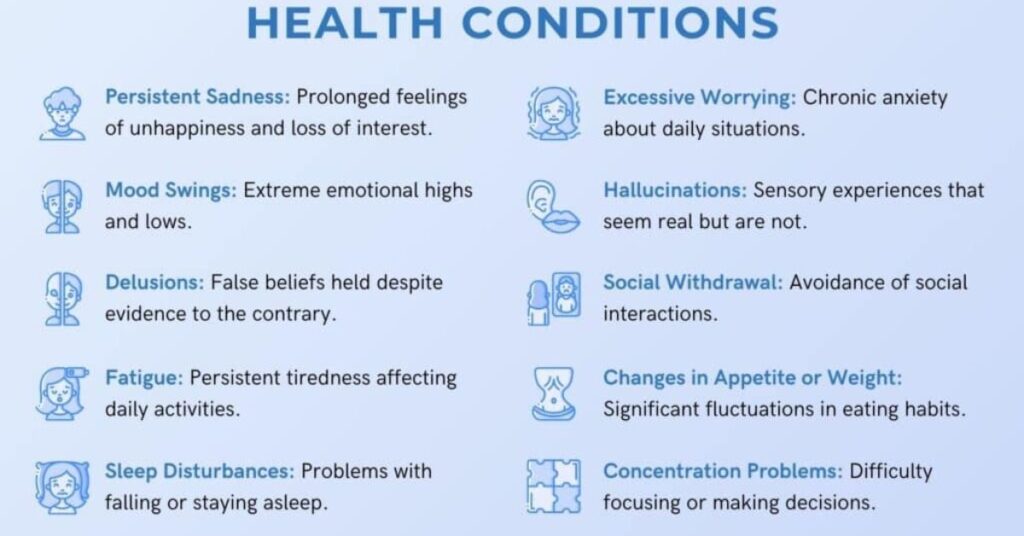
Depression is more than just feeling sad; it’s a persistent and overwhelming sense of hopelessness that affects one’s ability to function. Symptoms can include fatigue, changes in appetite, difficulty concentrating, and loss of interest in previously enjoyable activities.
Mental health awareness plays a critical role in helping people recognize depression early and seek support through therapy, medication, or lifestyle changes. The more we talk about depression openly, the fewer people will feel alone in their struggle.
3. Post-Traumatic Stress Disorder (PTSD)
PTSD arises from exposure to traumatic events such as accidents, abuse, or warfare. Individuals may experience flashbacks, nightmares, or emotional numbness. Without proper understanding, PTSD sufferers are often misjudged or misunderstood.
Awareness campaigns shed light on the realities of trauma, helping communities respond with compassion instead of criticism and ensuring survivors get the care they need.
4. Substance Use Disorders
Substance abuse often coexists with mental health challenges. Many individuals turn to drugs or alcohol as a coping mechanism for unresolved stress, trauma, or depression. However, substance misuse can intensify emotional instability, creating a dangerous cycle.
Mental health awareness emphasizes the link between addiction and mental illness, advocating for integrated treatment approaches that address both the mind and body.
Recognizing Signs of Poor Mental Health
1. Emotional and Behavioral Indicators
Recognizing the early signs of mental health struggles can make a life-changing difference. Common emotional and behavioral indicators include:
- Persistent sadness or irritability
- Sudden mood swings
- Withdrawal from social activities
- Decline in performance at work or school
- Loss of interest in hobbies
Acknowledging these signs in ourselves and others is the first step toward healing and support.
Physical Symptoms
Mental health challenges don’t just affect the mind, they can take a physical toll as well. Symptoms like headaches, muscle tension, fatigue, digestive issues, and disrupted sleep often stem from emotional distress.
Awareness helps individuals and healthcare providers recognize that these physical manifestations can have psychological roots, promoting a more holistic approach to wellness.
When to Seek Professional Help
If emotional or behavioral changes begin to interfere with relationships, work, or self-care, professional help is essential. Therapists, counselors, and psychologists provide tools to navigate challenges, manage stress, and rebuild confidence.
There’s no shame in asking for help just as you’d see a doctor for a physical illness, seeking mental health support is a smart, proactive step toward recovery.
The Role of Education and Media in Mental Health Awareness
source: slideteam
1. Education as the Foundation
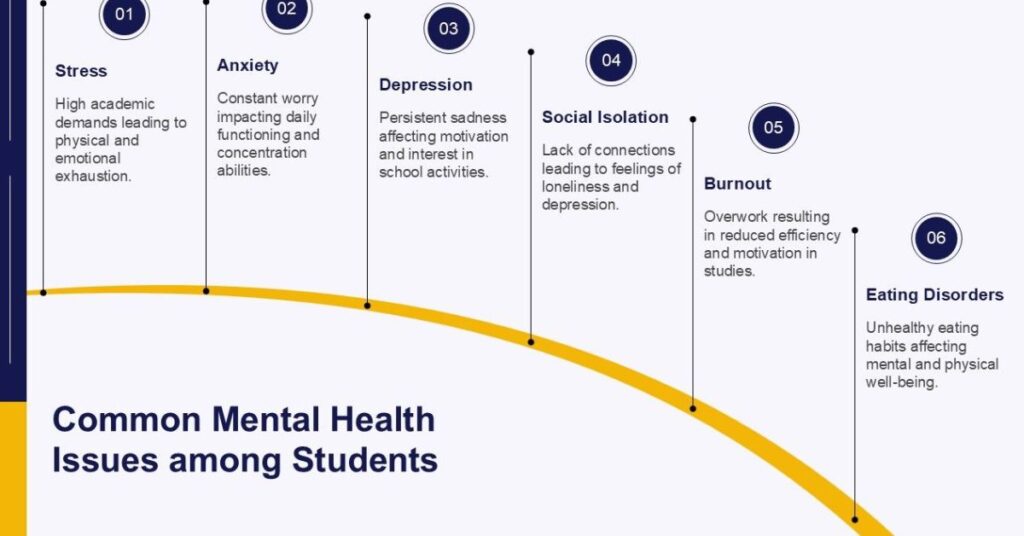
Schools and universities can play a powerful role in shaping a generation that understands mental health. By integrating emotional intelligence and coping skills into curriculums, educators can help students handle academic pressure and life’s uncertainties.
Programs that promote empathy and open communication create inclusive spaces where students feel supported, not judged.
2. Media and Public Influence
The media has the power to either distort or illuminate mental health realities. When films, TV shows, and news outlets portray mental illness accurately, they foster empathy and awareness. Campaigns like #EndTheStigma and Mental Health Matters have made significant strides in encouraging open conversations worldwide.
However, sensationalized or inaccurate portrayals can do the opposite, reinforcing fear or misunderstanding. Responsible media representation is crucial in shaping public perception.
3. Social Media: The Double-Edged Sword
Social media connects us, but it can also distort reality. Constant comparison, cyberbullying, and misinformation can harm mental well-being.
On the other hand, when used mindfully, social media can be a force for good spreading awareness, providing support communities, and breaking the silence around mental illness. The key lies in balance and mindful engagement.
Strategies to Improve Mental Health Awareness
1. Community Programs and Initiatives
Local organizations and non-profits play an essential role in creating awareness. Workshops, mental health fairs, and peer support groups help build understanding at a community level.
By bringing mental health professionals and the public together, such programs foster connection and education in safe, inclusive environments.
2. Workplace Mental Health Programs
Workplaces are where most adults spend the majority of their day making them crucial platforms for mental health advocacy.
Employers can foster a mentally healthy environment by:
- Offering confidential counseling services
- Encouraging flexible work arrangements
- Training managers to recognize signs of distress
- Promoting work-life balance
Such initiatives don’t just improve well-being; they boost morale, creativity, and productivity.
3. Government and Policy Support
Governments can strengthen mental health awareness by funding education campaigns, supporting research, and improving access to mental health services. Policies that mandate mental health coverage in insurance plans can remove financial barriers and make care more accessible for everyone.
Practical Tips for Maintaining Good Mental Health
1. Daily Habits for Emotional Wellness
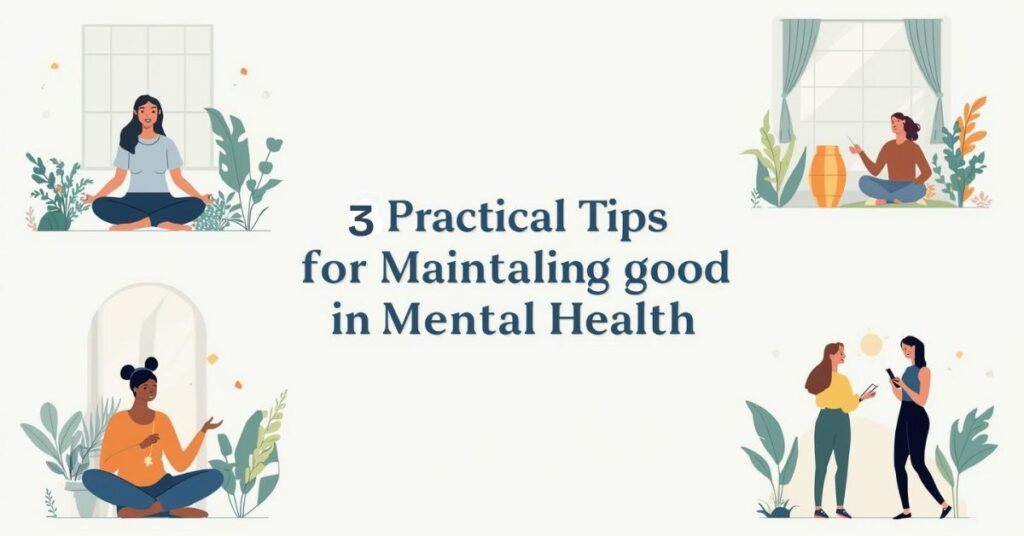
Maintaining mental health requires consistent effort. Incorporating small habits into your daily life can create lasting benefits:
- Exercise regularly: Boosts endorphins and reduces stress.
- Eat a balanced diet: Fuels brain function and energy.
- Sleep well: Rest is essential for emotional stability.
- Practice mindfulness: Techniques like meditation and deep breathing help calm the mind.
2. Building Meaningful Relationships
Healthy relationships are the foundation of emotional strength. Spend time with supportive friends, family, and colleagues who uplift you. Avoid toxic relationships that drain energy or self-worth.
3. Seeking Professional Guidance
Therapy isn’t just for those in crisis, it’s for anyone seeking personal growth, self-awareness, or emotional balance. Talking with a therapist can provide new perspectives and coping tools for everyday challenges.
The Global Impact of Mental Health Awareness
1. Economic and Social Benefits
A society that invests in mental health reaps long-term rewards. Fewer sick days, reduced healthcare costs, and a more engaged workforce are just a few of the benefits.
When people are mentally healthy, they are more innovative, cooperative, and productive driving sustainable progress.
2. Worldwide Mental Health Initiatives
Organizations like the World Health Organization (WHO), UNICEF, and the Mental Health Foundation have spearheaded global campaigns to improve access to mental health care. These initiatives are especially vital in low-income regions where mental health resources remain scarce.
Myths and Misconceptions About Mental Health
1. Mental Illness Equals Weakness
False. Mental illness can affect anyone regardless of age, background, or strength. It’s a medical condition, not a personal flaw.
2. Therapy Is Only for Serious Problems
Therapy benefits everyone. Whether you’re managing stress, navigating a life change, or simply seeking clarity, professional guidance is empowering.
3. You Can Just Snap Out of It
Mental health challenges cannot be overcome by sheer willpower. Compassion, treatment, and time are essential for recovery.
How to Support Someone Struggling with Mental Health
1. Listen Without Judgment
Sometimes, people don’t need advice, they just need to be heard. Listening with empathy can make someone feel seen and valued.
2. Encourage Professional Help
Gently suggest therapy or counseling when necessary. Offering to help find resources or accompanying them can make a big difference.
3. Stay Connected
Regular check-ins, even through a simple text or call, can remind someone that they’re not alone and that their feelings matter.
Frequently Asked Questions:
1. What is mental health awareness?
Mental health awareness involves educating people about emotional well-being, reducing stigma, and encouraging open conversations and support for those experiencing mental health challenges.
2. Why is good mental health important?
Good mental health improves relationships, boosts productivity, enhances decision-making, and helps individuals cope with stress, leading to a balanced, fulfilling, and happier life.
3. What are the 5 C’s of mental health?
The 5 C’s are Connection, Compassion, Communication, Commitment, and Consistency, representing key elements for maintaining emotional stability and strong mental well-being.
4. How to improve mental health?
Improve mental health by exercising regularly, sleeping well, eating balanced meals, practicing mindfulness, and building positive relationships with supportive friends and family.
5. What are the four types of mental health?
The four main types are anxiety disorders, mood disorders, personality disorders, and psychotic disorders, each affecting emotional and psychological functioning differently.
6. What are the 10 importance of mental health?
It boosts confidence, enhances focus, builds resilience, promotes happiness, improves productivity, strengthens relationships, supports physical health, reduces stress, encourages balance, and ensures overall life satisfaction.
7. What are the 5 points of mental health?
The 5 points are self-awareness, emotional regulation, social connection, stress management, and seeking help when needed for better mental and emotional balance.
8. What exactly does mental health mean?
Mental health refers to the state of emotional, psychological, and social well-being, affecting how we think, feel, act, and handle life’s challenges.
9. Are there any benefits for mental health?
Yes, strong mental health leads to greater happiness, improved focus, better relationships, enhanced resilience, and an overall healthier, more productive life.
10. What are the 7 pillars of mental health?
The 7 pillars are Self-awareness, Purpose, Stress management, Relationships, Mindfulness, Physical health, and Resilience, forming a foundation for lasting emotional well-being.
Conclusion:
Mental health awareness is essential for building a compassionate, resilient, and balanced society. By breaking stigmas, promoting education, and encouraging open conversations, we empower individuals to seek help and support one another. Prioritizing mental wellness not only enhances personal happiness but also strengthens communities and workplaces. Remember, mental health is just as important as physical health. Caring for your mind is a lifelong investment in a better, healthier future for all.
Leave a Reply