When I was diagnosed with PCOS, losing weight felt almost impossible despite eating less. After switching to a balanced, high-protein diet and exercising regularly, I started noticing gradual changes in both my weight and energy levels. It wasn’t a quick journey, but staying consistent helped me lose weight and improve my overall health. The experience taught me that patience and sustainable lifestyle changes are far more effective than crash diets.
Losing weight with PCOS is possible through a balanced diet, regular exercise, quality sleep, stress management, and consistency. Even a modest weight loss of 5–10% can improve hormone balance, insulin sensitivity, and overall health.
In this article we will study “Lose Weight with PCOS.”
What Is PCOS?
Polycystic Ovary Syndrome (PCOS) is a common hormonal disorder that affects women of reproductive age. It causes hormonal imbalances, irregular periods, and higher androgen levels, often leading to symptoms such as acne, excessive hair growth, and difficulty with fertility. Insulin resistance is also common, making weight management more challenging.
PCOS can increase the risk of health conditions such as type 2 diabetes, high blood pressure, and heart disease if left unmanaged. However, with a healthy diet, regular exercise, weight management, and appropriate medical treatment, most women can effectively control their symptoms and improve their overall health.
Why Does PCOS Cause Weight Gain?
One of the biggest frustrations for women with PCOS is gaining weight easily while finding it unusually difficult to lose it. This occurs because PCOS changes how the body regulates hormones involved in appetite, metabolism, and fat storage.
Insulin Resistance
Approximately 50–70% of women with PCOS experience insulin resistance. Instead of responding efficiently to insulin, body cells require more insulin to absorb glucose from the bloodstream. As insulin levels continue rising, the body stores more fat particularly around the abdomen while simultaneously making fat burning less efficient.
High insulin levels also stimulate hunger hormones, leading to increased cravings for sugary and refined carbohydrate-rich foods. This creates a cycle of overeating, elevated blood sugar, increased insulin production, and additional fat storage.
Hormonal Imbalance
Elevated androgen levels slow normal ovarian function while also influencing body composition. Women with PCOS often accumulate more visceral fat, which surrounds internal organs and is associated with greater health risks than subcutaneous fat. Higher androgen levels may also reduce muscle mass, lowering the body’s resting metabolic rate and making calorie burning less efficient.
Inflammation and Stress
Chronic low-grade inflammation is another hallmark of PCOS. Inflammatory markers can interfere with insulin signaling, worsening insulin resistance. At the same time, many women experience elevated cortisol levels due to chronic stress or poor sleep. Cortisol promotes abdominal fat storage and increases cravings for calorie-dense foods, making consistent weight management even more challenging.
Understanding these biological mechanisms is essential because they explain why PCOS weight loss requires a targeted strategy rather than simple calorie restriction.
Can You Lose Weight with PCOS?
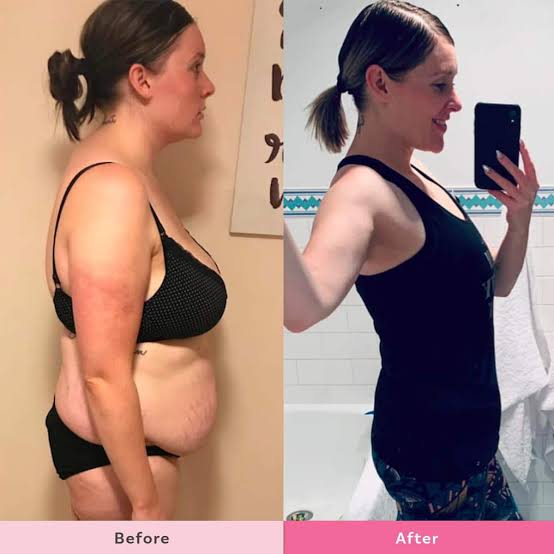
source: healthymummy.com
Scientific Evidence Behind Weight Loss
The answer is yes, women with PCOS can successfully lose weight. Although the process may take longer than it does for individuals without hormonal imbalances, numerous clinical studies demonstrate that sustainable weight loss is achievable through evidence-based lifestyle interventions.
Research shows that losing just 5–10% of total body weight can produce significant health improvements. Even this modest reduction has been associated with enhanced insulin sensitivity, improved menstrual regularity, reduced androgen levels, better ovulation, lower blood pressure, and improved cholesterol profiles. These changes can also reduce the risk of developing type 2 diabetes and cardiovascular disease.
Weight loss should not be viewed solely as a cosmetic goal. For women with PCOS, it serves as a therapeutic intervention that directly addresses many of the underlying metabolic disturbances associated with the condition.
Setting Realistic Expectations
Many women become discouraged when they compare their progress to individuals without PCOS. Hormonal differences often mean that weight loss occurs more gradually. A realistic target is 0.25–0.75 kg (0.5–1.5 pounds) per week, achieved through a moderate calorie deficit, regular physical activity, and long-term adherence to healthy habits.
Rather than focusing only on the number on the scale, success should also be measured by improvements in:
- Increased energy levels
- Better blood sugar control
- Reduced waist circumference
- More regular menstrual cycles
- Improved sleep quality
- Better mood and reduced cravings
These non-scale victories often indicate meaningful metabolic improvements even before substantial weight loss becomes visible.
Best Diet for PCOS Weight Loss
Why Nutrition Matters
Nutrition is the foundation of successful PCOS management. Because insulin resistance is a major contributor to weight gain, dietary choices that stabilize blood sugar levels can improve metabolic function and make weight loss more achievable.
The ideal PCOS diet is nutrient-dense, anti-inflammatory, and rich in protein and fiber. Rather than eliminating entire food groups, emphasis should be placed on consuming whole foods that support hormone balance and maintain steady energy levels throughout the day.
Scientific evidence consistently supports dietary patterns such as the Mediterranean diet, moderate low-carbohydrate diets, and low-glycemic index eating plans for improving insulin sensitivity and cardiovascular health in women with PCOS.
Macronutrients That Matter
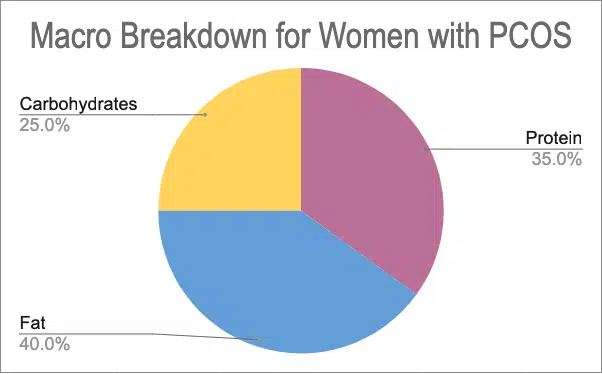
source: pcosdietsupport.com
The balance of carbohydrates, protein, and healthy fats plays an important role in managing PCOS.
| Nutrient | Benefits for PCOS | Best Sources |
| Protein | Increases satiety, preserves muscle mass, reduces cravings | Chicken, fish, eggs, Greek yogurt, tofu, legumes |
| Healthy fats | Supports hormone production and reduces inflammation | Olive oil, avocado, nuts, seeds, fatty fish |
| High-fiber carbohydrates | Slows glucose absorption and improves insulin sensitivity | Oats, quinoa, brown rice, lentils, vegetables, fruits |
A balanced plate should contain a lean protein source, high-fiber carbohydrates, healthy fats, and plenty of colorful vegetables. This combination helps regulate blood sugar, reduces hunger, and provides essential vitamins and minerals needed for overall health.
Nutrition and Exercise Strategies for PCOS Weight Loss
Foods to Eat for PCOS Weight Loss
Choosing the right foods is one of the most effective ways to manage PCOS and support healthy weight loss. Since insulin resistance is common in women with PCOS, prioritizing nutrient-dense foods that stabilize blood sugar levels can help reduce cravings, improve energy, and promote fat loss. Instead of following restrictive diets, focus on building balanced meals that combine lean protein, healthy fats, fiber-rich carbohydrates, and plenty of vegetables. This approach keeps you fuller for longer while providing the vitamins and minerals your body needs to maintain hormonal balance.
High-Protein Foods
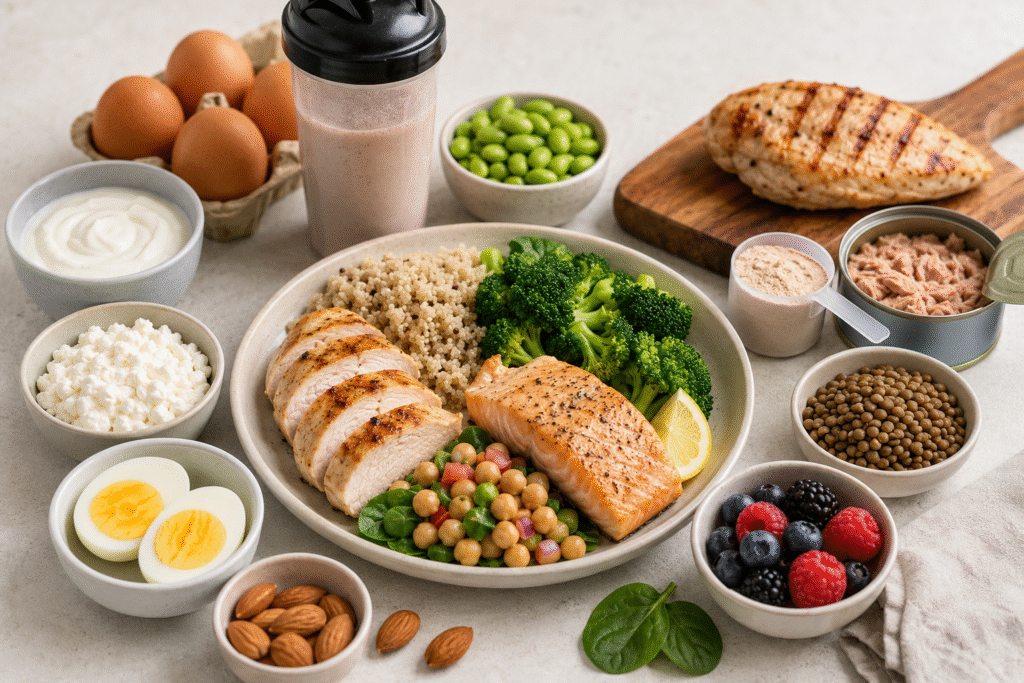
source: odevolvebariatric.com
Protein plays a vital role in weight management because it increases satiety, preserves lean muscle mass, and reduces hunger hormones. A higher protein intake can also improve blood sugar control by slowing the absorption of carbohydrates.
Excellent protein sources include:
- Skinless chicken breast
- Turkey
- Eggs
- Greek yogurt
- Cottage cheese
- Salmon and tuna
- Lentils
- Chickpeas
- Tofu and tempeh
- Lean beef in moderation
Aim to include a quality protein source in every meal to maintain steady energy levels throughout the day.
High-Fiber Carbohydrates
Not all carbohydrates are harmful for PCOS. Complex carbohydrates that are high in fiber digest slowly, preventing sudden spikes in blood glucose and insulin.
Healthy carbohydrate options include:
- Oats
- Brown rice
- Quinoa
- Sweet potatoes
- Whole-grain bread
- Beans
- Lentils
- Fresh fruits
- Leafy green vegetables
Fiber also supports digestive health, improves gut bacteria, and promotes feelings of fullness.
Healthy Fats
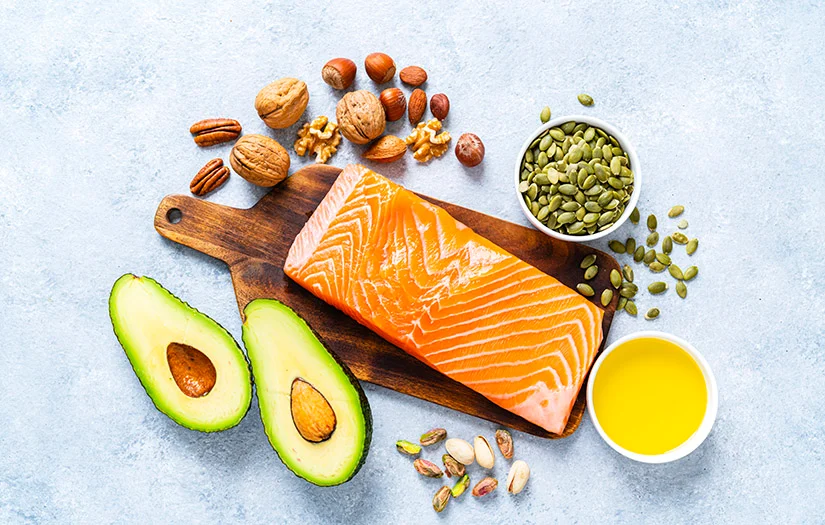
source: blog.nasm.org/
Healthy fats are essential for hormone production and reducing inflammation. Unlike trans fats, unsaturated fats improve heart health and contribute to balanced nutrition.
Choose healthy fat sources such as:
- Avocados
- Olive oil
- Almonds
- Walnuts
- Chia seeds
- Flaxseeds
- Pumpkin seeds
- Fatty fish like salmon and sardines
Healthy fats should be consumed in moderation because they are calorie-dense but highly nutritious.
Foods to Avoid with PCOS
Certain foods can worsen insulin resistance, increase inflammation, and make weight management more difficult. Limiting these foods can improve metabolic health and reduce PCOS symptoms.
Refined Carbohydrates

source: masterclass.com
Highly processed carbohydrates digest quickly and raise blood sugar levels.
Examples include:
- White bread
- White rice
- Pastries
- Cakes
- Cookies
- Sugary breakfast cereals
Replacing these foods with whole grains can significantly improve blood sugar control.
Sugary Drinks
Liquid sugar is rapidly absorbed into the bloodstream and contributes to insulin resistance.
Avoid:
- Soda
- Sweetened tea
- Energy drinks
- Packaged fruit juices
- Flavored coffee beverages
Instead, choose water, sparkling water, herbal tea, or unsweetened coffee.
Ultra-Processed Foods
Fast foods and packaged snacks often contain unhealthy fats, excess sodium, preservatives, and refined carbohydrates.
Limit foods such as:
- French fries
- Potato chips
- Instant noodles
- Frozen processed meals
- Processed meats
- Candy and chocolate bars
Reducing processed foods helps lower inflammation and supports long-term health.
Best Exercises for PCOS Weight Loss
Exercise is an essential part of PCOS management because it improves insulin sensitivity, burns calories, builds muscle, and supports hormonal balance. Women with PCOS do not need extreme workout routines.Consistency is more important than intensity.
Strength Training
Strength training is one of the most effective types of exercise for women who have PCOS. Building muscle increases resting metabolic rate, meaning your body burns more calories even while at rest. Muscle tissue also improves insulin sensitivity, allowing glucose to be used more efficiently.
Recommended strength-training exercises include:
- Squats
- Lunges
- Deadlifts
- Push-ups
- Dumbbell rows
- Shoulder presses
- Resistance band workouts
Target 2 to 4 sessions of strength training each week, ensuring that all major muscle groups are included.
Cardiovascular Exercise
Cardio supports heart health, improves endurance, and contributes to calorie expenditure. Moderate-intensity aerobic exercise has been shown to improve insulin resistance and reduce body fat in women with PCOS.
Examples include:
- Brisk walking
- Cycling
- Swimming
- Jogging
- Dancing
- Hiking
Try to achieve at least 150 minutes of moderate-intensity cardio each week.
High-Intensity Interval Training (HIIT)
HIIT involves performing short, intense exercise sessions followed by short recovery periods. Research suggests HIIT may improve insulin sensitivity while requiring less total workout time than traditional cardio.
A beginner HIIT session may include:
- 30 seconds of fast walking or sprinting
- 90 seconds of slow walking
- Repeat for 15–20 minutes
Beginners should start gradually and increase intensity over time.
Yoga and Stress Reduction
Stress contributes to elevated cortisol levels, which can worsen weight gain in women with PCOS. Yoga combines movement, breathing techniques, and mindfulness, making it beneficial for reducing stress while improving flexibility and overall well-being.
Practicing yoga two or three times per week may improve both physical and mental health.
Meal Planning, Lifestyle Changes, and Medical Support
7-Day PCOS Weight Loss Meal Plan
Following a structured meal plan can make healthy eating easier and more sustainable. The goal is to include lean protein, fiber-rich carbohydrates, healthy fats, and plenty of vegetables in every meal while avoiding excessive added sugars and refined carbohydrates.
| Day | Breakfast | Lunch | Dinner | Healthy Snack |
| Monday | Greek yogurt with berries and chia seeds | Grilled chicken salad with olive oil dressing | Baked salmon with quinoa and broccoli | Handful of almonds |
| Tuesday | Vegetable omelet with whole-grain toast | Turkey wrap with mixed vegetables | Grilled chicken with roasted vegetables | Apple with peanut butter |
| Wednesday | Overnight oats with walnuts | Lentil soup and mixed salad | Stir-fried tofu with brown rice | Greek yogurt |
| Thursday | Smoothie with spinach, berries, and protein | Quinoa salad with chickpeas | Baked fish with sweet potato | Mixed nuts |
| Friday | Scrambled eggs with avocado | Grilled chicken and brown rice | Turkey meatballs with vegetables | Cottage cheese |
| Saturday | Oatmeal with flaxseeds | Tuna salad | Grilled shrimp with quinoa | Fresh fruit |
| Sunday | Greek yogurt parfait | Chicken vegetable soup | Lean beef with steamed vegetables | Pumpkin seeds |
This meal plan provides balanced nutrition while supporting stable blood sugar levels and long-lasting energy. Portion sizes should be adjusted based on individual calorie needs and activity levels.
Lifestyle Changes That Improve PCOS Weight Loss
Diet and exercise are essential, but lifestyle habits play an equally important role in managing PCOS. Small daily changes can have a significant impact on hormones, metabolism, and overall well-being.
Prioritize Quality Sleep
Poor sleep disrupts hormones that regulate hunger and appetite, making it easier to overeat and harder to lose weight. Adults should aim for 7–9 hours of quality sleep each night. Creating a consistent bedtime routine, limiting screen time before bed, and reducing caffeine intake in the evening can improve sleep quality.
Manage Stress
Chronic stress increases cortisol, a hormone linked to abdominal fat storage and increased cravings. Incorporating stress-reducing activities such as meditation, deep breathing, journaling, or spending time outdoors can support both mental and physical health.
Stay Hydrated
Drinking enough water supports digestion, metabolism, and appetite control. Replacing sugary beverages with water or herbal tea can reduce unnecessary calorie intake and improve overall health.
Be Consistent
Weight loss with PCOS is often slower than expected, but consistency leads to long-term success. Focus on creating habits that you can maintain rather than searching for quick fixes.
Supplements That May Help
While supplements should never replace a healthy diet, some may provide additional support for women with PCOS. Always consult a healthcare professional before starting any supplement.
Inositol
Myo-inositol and D-chiro-inositol have been studied for improving insulin sensitivity, supporting ovulation, and promoting hormonal balance.
Vitamin D
Vitamin D deficiency is common in women with PCOS. Correcting low levels may improve insulin function, immune health, and overall well-being.
Omega-3 Fatty Acids
Omega-3s found in fish oil may help reduce inflammation, improve cholesterol levels, and support cardiovascular health.
Magnesium
Magnesium supports muscle function, sleep quality, and glucose metabolism. It may also help reduce fatigue and improve insulin sensitivity in some individuals.
Supplements should always be viewed as part of a broader treatment plan that includes nutrition, exercise, and medical guidance.
Medical Treatments for PCOS Weight Management
Lifestyle modifications remain the foundation of PCOS treatment, but some women may require medical support depending on their symptoms and overall health.
Common treatment options include:
- Metformin: Often prescribed to improve insulin sensitivity and help regulate blood sugar levels.
- Hormonal contraceptives: Used to regulate menstrual cycles and reduce androgen-related symptoms such as acne and excess hair growth.
- GLP-1 receptor agonists: In some cases, healthcare providers may prescribe these medications to support weight loss and improve metabolic health.
- Fertility medications: For women trying to conceive, medications that stimulate ovulation may be recommended.
Treatment plans should always be individualized and supervised by a qualified healthcare professional.
Common Mistakes to Avoid
Many women unknowingly make choices that slow their progress. Avoiding these common mistakes can improve long-term results.
Following Crash Diets
Extremely low-calorie diets may lead to muscle loss, nutrient deficiencies, and weight gain. Sustainable eating patterns are far more effective.
Skipping Meals
Skipping meals often results in overeating later in the day and can contribute to unstable blood sugar levels.
Ignoring Strength Training
Cardio alone is beneficial, but resistance training helps build muscle, increase metabolism, and improve insulin sensitivity.
Expecting Quick Results
Weight loss with PCOS is a gradual process. Focusing on healthy habits rather than rapid weight loss leads to better long-term outcomes.
Neglecting Mental Health
Stress, anxiety, and poor sleep can all affect hormonal balance. Taking care of mental well-being is an important part of managing PCOS successfully.
Frequently Asked Questions:
1. How can a PCOS patient lose weight fast?
Focus on a low-glycemic diet, prioritize strength training, manage stress, improve sleep quality, and consult a doctor to treat underlying insulin resistance rather than rushing rapid weight loss.
2. Does PCOS affect daily life?
Yes, PCOS can impact daily life by causing physical fatigue, unpredictable menstrual cycles, mood swings, weight fluctuations, skin concerns, and emotional stress related to hormonal imbalances.
3. Are there any benefits to having PCOS?
While medically challenging, some research suggests women with PCOS may have a higher egg supply late into reproductive years and potentially increased bone density due to androgen levels.
4. What is a good daily routine for PCOS patients?
Prioritize a balanced, protein-rich breakfast, stay consistently hydrated, engage in moderate exercise like walking or strength training, manage daily stress, and maintain a strict sleep schedule.
5. How to lose 20 kg with PCOS?
Achieving significant weight loss requires sustainable calorie deficits, balancing blood sugar through whole foods, regular physical activity, managing insulin levels, and setting realistic, long-term health goals.
6. What not to eat with PCOS?
Limit refined carbohydrates, sugary drinks, fried foods, processed snacks, and excess ultra-processed foods, as these rapidly spike blood sugar levels and aggravate insulin resistance.
7. At what age does PCOS start?
PCOS typically develops around the time of puberty during the first menstrual period, though symptoms can begin appearing or be diagnosed during a woman’s late teens or twenties.
8. What organ does PCOS affect the most?
PCOS primarily affects the ovaries by disrupting egg maturation, but as a systemic endocrine disorder, it significantly impacts the metabolic system, pancreas, and liver as well.
9. What are the 5 signs of PCOS?
Common signs include irregular or missed periods, excessive facial or body hair growth, persistent acne, thinning hair on the scalp, and unexplained weight gain or trouble losing weight.
10. Can PCOS go back to normal?
There is no complete cure, but symptoms and hormone levels can return to normal through lifestyle modifications, healthy diet, regular exercise, and targeted medical interventions.
Conclusion:
Losing weight with PCOS may be more challenging, but it is entirely achievable with the right approach. A balanced diet, regular physical activity, quality sleep, stress management, and consistent healthy habits are the foundation of long-term success. Even a modest weight loss can improve hormone balance, insulin sensitivity, and overall well-being. Instead of aiming for quick fixes, focus on sustainable lifestyle changes that support your health over time. With patience, persistence, and appropriate medical guidance when needed, women with PCOS can successfully manage their symptoms and lead healthier lives.
Leave a Reply