
From what we’ve seen, staying updated with health news has completely changed how we approach daily wellness. We now pay closer attention to preventive care like regular checkups and fitness tracking. Digital tools such as health apps and wearables have made monitoring health much easier and more consistent. It also helped us understand the importance of mental health, which was often overlooked earlier. Overall, health awareness feels more practical and actionable than ever before.
Health news today highlights the latest updates in healthcare, including medical innovations, preventive strategies, mental health awareness, and technology-driven solutions improving global health outcomes and patient care.
In this article we will explore “Health News Today.”
The Current State of Global Health
The modern healthcare landscape is undergoing a profound transformation, and health news today reflects a world that is shifting from reactive treatment to proactive and predictive care. We are no longer confined to traditional models where patients seek help only after symptoms appear. Instead, we are embracing a system powered by data-driven insights, advanced diagnostics, and personalized interventions. This evolution is not accidental; it is the result of decades of research, technological advancement, and lessons learned from global health crises.
Global healthcare spending is projected to exceed $11 trillion by 2030, signaling not just growth but a restructuring of priorities. Investments are increasingly directed toward digital infrastructure, artificial intelligence, and preventive care systems. Governments and private organizations are collaborating to build ecosystems that allow real-time monitoring of diseases, faster response to outbreaks, and improved patient outcomes. This interconnected approach ensures that breakthroughs in one region quickly influence healthcare practices worldwide.
Despite these advancements, disparities remain a critical issue. While developed nations benefit from cutting-edge technologies, many low-income regions still lack access to basic healthcare services. This imbalance is shaping policy discussions and driving initiatives aimed at bridging the healthcare accessibility gap. Mobile health units, telemedicine platforms, and global funding programs are playing a key role in addressing these challenges.
Post-Pandemic Healthcare Evolution
source: newsroom.medline.com
The global pandemic acted as a catalyst that accelerated healthcare innovation at an unprecedented pace. What might have taken a decade to evolve happened within a few years. Healthcare systems were forced to adapt rapidly, resulting in a more flexible, resilient, and technology-driven infrastructure that continues to shape health news today.
Rise of Telehealth Services
One of the most significant changes is the widespread adoption of telehealth services. Virtual consultations have become a standard practice, enabling patients to access medical care without physical visits. This has not only reduced the burden on hospitals but also improved accessibility for individuals in remote areas. Telemedicine is now considered a permanent component of healthcare delivery rather than a temporary solution.
Emergency Preparedness and Infrastructure
Emergency preparedness has taken center stage. Hospitals are investing in scalable infrastructure, ensuring they can handle sudden surges in patient volume. From increasing ICU capacity to maintaining strategic reserves of medical supplies, healthcare systems are better equipped to manage future crises.
Public Awareness and Vaccine Innovation
Public awareness has reached new heights. People are more conscious about hygiene, vaccinations, and disease prevention. This increased awareness is contributing to healthier communities and reducing the spread of infectious diseases. At the same time, the rapid development of vaccines demonstrated the power of global collaboration and biotechnology, setting a new benchmark for future medical innovations.
Rising Focus on Preventive Medicine
Preventive medicine has emerged as a cornerstone of modern healthcare, fundamentally changing how we approach well-being. Instead of focusing solely on treating diseases, the emphasis is now on early detection, risk reduction, and lifestyle management.
Importance of Early Detection
Regular health screenings, vaccinations, and lifestyle modifications form the backbone of preventive care. By identifying potential health risks early, individuals can take proactive measures to avoid serious complications, especially in chronic conditions like diabetes and cardiovascular diseases.
Role of Technology in Prevention
Technology plays a crucial role through wearable devices and health tracking apps that provide real-time insights into vital parameters. These tools empower individuals to make informed decisions and seek timely medical advice.
Insurance and Public Health Initiatives
Insurance providers are encouraging preventive practices by offering incentives such as discounted premiums and wellness rewards. Public health campaigns are becoming more targeted using data analytics to reach high-risk populations effectively.
Breakthrough Medical Innovations in 2026
source: amnhealthcare.com
Innovation continues to redefine healthcare, making it more efficient, accurate, and personalized. From AI to gene editing, the medical field is evolving at an unprecedented rate.
Advanced Analytics in Healthcare
The integration of machine learning and advanced analytics enables healthcare providers to process vast amounts of data, improving diagnostic accuracy and treatment outcomes.
Shift Toward Personalized Medicine
Treatments are increasingly tailored based on genetic makeup, lifestyle, and medical history, reducing side effects and improving effectiveness.
Collaborative Innovation Ecosystem
Collaboration between tech companies, researchers, and healthcare providers ensures that innovations are both practical and scalable, accelerating real-world implementation.
AI in Diagnostics and Treatment
Artificial intelligence is revolutionizing healthcare by enhancing diagnostic precision and treatment efficiency.
AI-Powered Medical Imaging
AI systems can analyze X-rays, MRIs, and CT scans with remarkable accuracy, often detecting abnormalities earlier than traditional methods.
Personalized Treatment Planning
AI enables tailored treatment strategies by analyzing patient data, reducing reliance on trial-and-error approaches.
AI in Drug Development
AI significantly reduces the time and cost required to develop new drugs by predicting the effectiveness of chemical compounds.
Real-Time Disease Detection Tools
Real-time detection tools are transforming healthcare into a proactive system.
Wearable Health Technology
Devices like smartwatches monitor heart rate, oxygen levels, and sleep patterns, helping detect early signs of illness.
Biosensors and Implantable Devices
Advanced tools such as continuous glucose monitors (CGMs) provide constant health tracking for chronic conditions.
Hospital-Based Monitoring Systems
AI-powered hospital systems predict emergencies like sepsis or cardiac arrest, allowing timely intervention.
Gene Editing and Personalized Medicine
Gene editing is opening new frontiers in treating diseases at their root cause.
CRISPR Technology Breakthrough
CRISPR allows precise DNA modification, offering potential cures for genetic disorders and cancers.
Role of Biomarkers
Biomarkers help in early disease detection and monitoring treatment effectiveness in real time.
Ethical and Regulatory Considerations
While promising, gene editing raises ethical concerns that require strict regulatory frameworks.
Mental Health Awareness at an All-Time High
Mental health is now recognized as a critical component of overall well-being.
Rising Global Mental Health Concerns
Nearly 1 in 4 individuals experience mental health issues, increasing demand for accessible care.
Technology-Driven Mental Health Solutions
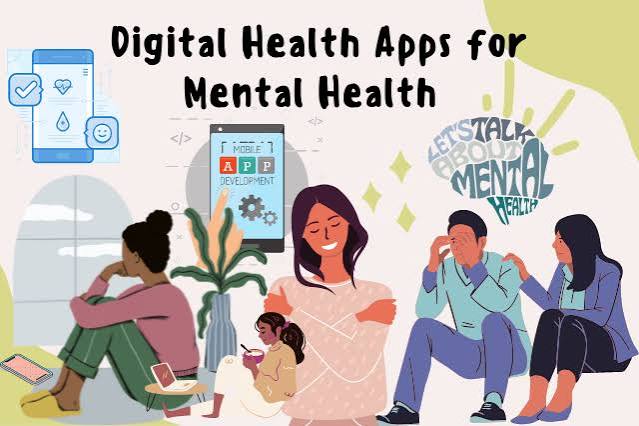
Digital platforms are expanding access to therapy and mental health resources.
Digital Therapy and Mental Health Apps
source: cjni.net.
Accessibility and Convenience
Users can access therapy tools anytime, removing traditional barriers like cost and location.
Personalized Mental Health Support
Apps use data to deliver tailored recommendations and interventions.
Market Growth and Adoption
The digital mental health market is projected to exceed $20 billion by 2028.
Workplace Mental Health Initiatives
Organizations are prioritizing mental well-being to improve productivity and employee satisfaction.
Employee Assistance Programs (EAPs)
EAPs provide confidential counseling and mental health resources.
Flexible Work Culture
Remote and hybrid work models help reduce stress and improve work-life balance.
Mental Health Awareness Training
Training programs help managers identify and address mental health challenges effectively.
Nutrition and Diet Trends Reshaping Health
Nutrition is evolving toward a more personalized and science-driven approach.
Shift Toward Nutrient-Dense Foods
Focus is on whole foods and minimizing processed items.
Science-Based Nutrition Planning
Research is enabling diets tailored to specific health goals like gut health and immunity.
Sustainability in Food Choices
Eco-conscious eating is influencing dietary habits globally.
Plant-Based and Functional Foods
Plant-based and functional foods are becoming mainstream dietary choices.
Health Benefits of Plant-Based Diets
These diets reduce the risk of chronic diseases and improve overall health.
Rise of Functional Foods
Foods enriched with probiotics, omega-3s, and vitamins provide additional health benefits.
Market Growth and Consumer Demand
The demand for plant-based alternatives is rapidly increasing worldwide.
Public Health Policies and Global Impact
Public health policies play a critical role in shaping the direction of healthcare systems worldwide. When we analyze health news today, it becomes clear that government decisions, funding allocations, and international collaborations directly influence health outcomes on a massive scale. Policies are no longer limited to disease control—they now encompass preventive care, digital health integration, mental health support, and environmental health factors.
Government Regulations and Health Reforms
Governments across the globe are actively introducing healthcare reforms aimed at improving accessibility, affordability, and quality of care. Universal healthcare models, insurance expansions, and subsidy programs are helping millions gain access to essential services. For example, many countries are investing heavily in primary care systems, recognizing that early intervention reduces long-term healthcare costs.
Regulatory bodies are also focusing on data protection and digital health standards. With the rise of telemedicine and AI-driven tools, ensuring patient data privacy has become a top priority. Laws like GDPR and other regional frameworks are shaping how healthcare providers collect, store, and use sensitive information. These regulations build trust while enabling innovation to thrive responsibly.
Global Health Initiatives and Collaborations
International organizations such as the World Health Organization (WHO) and various non-profits are leading global health initiatives to combat diseases, improve nutrition, and enhance healthcare infrastructure. Programs targeting malaria, tuberculosis, and HIV have shown measurable success, saving millions of lives over the past decades.
Collaborative efforts are also driving vaccine distribution and pandemic preparedness. The lessons learned from COVID-19 have led to stronger global surveillance systems and faster response strategies. Countries are now more interconnected than ever, sharing data and resources to tackle health challenges collectively.
Impact of Climate Change on Public Health
An emerging topic in health news today is the connection between climate change and health. Rising temperatures, air pollution, and extreme weather events are contributing to respiratory diseases, heat-related illnesses, and the spread of infectious diseases. Governments are increasingly integrating environmental policies with public health strategies to mitigate these risks.
Future of Healthcare: What Lies Ahead
The future of healthcare is being shaped by rapid technological advancements and evolving patient expectations. As we move forward, the focus will be on creating a system that is predictive, personalized, and highly efficient. The integration of digital tools, automation, and advanced analytics will redefine how care is delivered.
Expansion of Telemedicine
Telemedicine is expected to become a cornerstone of healthcare delivery. With improvements in internet connectivity and digital infrastructure, patients will have seamless access to healthcare services regardless of their location. This will be particularly beneficial for rural and underserved populations.
Future telemedicine platforms will incorporate AI-driven diagnostics, remote monitoring, and virtual reality consultations, making them even more effective. According to industry projections, the global telehealth market is expected to surpass $400 billion by 2030, reflecting its growing importance.
Smart Hospitals and Automation
Hospitals are evolving into smart healthcare ecosystems powered by automation and interconnected technologies. From robotic surgeries to AI-assisted patient management systems, these innovations are improving efficiency and reducing human error.
Smart hospitals utilize Internet of Medical Things (IoMT) devices to monitor patients in real time, automate administrative tasks, and optimize resource allocation. For instance, automated systems can manage patient flow, ensuring that resources such as beds and medical staff are used efficiently.
Robotics is also playing a significant role in surgeries and rehabilitation. Robotic-assisted procedures offer greater precision, shorter recovery times, and reduced risk of complications. This level of innovation is transforming patient care and setting new standards in the medical field.
Wearable Health Technology and Its Growing Influence
Wearable technology has moved beyond fitness tracking to become an essential component of modern healthcare. Devices such as smartwatches, fitness bands, and even smart clothing are providing continuous health monitoring, empowering individuals to take control of their well-being.
Advanced Health Monitoring Features
Modern wearables can track a wide range of health metrics, including heart rate, blood oxygen levels, sleep quality, stress levels, and physical activity. Some devices are even capable of detecting early signs of serious conditions like atrial fibrillation or sleep apnea.
These insights allow users to make proactive lifestyle changes and seek medical attention when necessary. The integration of AI enhances the accuracy of these devices, providing more reliable data and actionable recommendations.
Integration with Healthcare Systems
Wearable devices are increasingly being integrated with healthcare systems, enabling seamless data sharing between patients and healthcare providers. This connectivity allows doctors to monitor patients remotely and make informed decisions based on real-time data.
For chronic disease management, this integration is particularly valuable. Patients with conditions such as diabetes or hypertension can benefit from continuous monitoring, reducing the risk of complications and hospitalizations.
Market Growth and Future Potential
The wearable health technology market is experiencing rapid growth, with projections indicating it could exceed $150 billion by 2030. This growth is driven by increasing consumer awareness, technological advancements, and the rising demand for preventive healthcare solutions.
Frequently Asked Questions:
1. What is the meaning of health news today?
Health news today refers to the latest updates, trends, and breakthroughs in healthcare, including medical innovations, disease prevention, mental health, and global health developments affecting everyday life.
2. Why is preventive healthcare important?
Preventive healthcare helps detect diseases early, reduces treatment costs, and improves long-term health outcomes by encouraging regular screenings, vaccinations, and healthy lifestyle choices.
3. In which areas of healthcare is artificial intelligence making an impact?
AI is used in healthcare for diagnosing diseases, analyzing medical images, predicting health risks, personalizing treatments, and accelerating drug development with improved accuracy and efficiency.
4. What are wearable health devices?
Wearable health devices are smart gadgets like fitness trackers and smartwatches that monitor vital signs such as heart rate, sleep, and activity levels in real time.
5. What is telemedicine and how does it work?
Telemedicine allows patients to consult doctors remotely using digital platforms like video calls or apps, improving access to healthcare without requiring physical hospital visits.
6. What are functional foods?
Functional foods are foods enriched with additional nutrients like probiotics, vitamins, or omega-3 fatty acids that provide extra health benefits beyond basic nutrition.
7. How does mental health impact overall well-being?
Mental health affects emotional, psychological, and physical well-being, influencing how individuals think, feel, and act, as well as their ability to handle stress and make decisions.
8. What is personalized medicine?
Personalized medicine tailors treatments based on an individual’s genetics, lifestyle, and medical history, ensuring more effective therapies with fewer side effects.
9. How are digital therapy apps helpful?
Digital therapy apps provide accessible mental health support through guided exercises, mood tracking, and virtual therapy sessions, making care more convenient and affordable.
10. What is the future of healthcare?
The future of healthcare is digital and data-driven, focusing on AI integration, telemedicine, smart hospitals, and preventive care to deliver faster, more personalized, and efficient treatments.
Conclusion:
The landscape of health news today highlights a clear shift toward predictive, preventive, and personalized healthcare, driven by rapid technological advancements and global collaboration. From AI-powered diagnostics to wearable health devices and telemedicine, innovation is transforming how care is delivered and experienced. At the same time, growing awareness around mental health, nutrition, and preventive medicine is empowering individuals to take control of their well-being. While challenges like accessibility and global disparities remain, continued progress in policy, technology, and research is shaping a more efficient, inclusive, and future-ready healthcare system.
Leave a Reply