The Health Department is one of the most critical pillars of any government, responsible for protecting, promoting, and improving the health of its population. It is a multidisciplinary institution that integrates medical science, public administration, policy-making, and advanced technologies to ensure sustainable healthcare delivery. From disease prevention to emergency response, health departments play a vital role in maintaining national stability and human development.
In today’s rapidly evolving world marked by pandemics, environmental changes, and technological advancements the responsibilities of health departments have expanded significantly. This article provides a detailed, technical, and SEO-optimized overview of health departments, including their structure, functions, operational mechanisms, challenges, and future outlook.
A Health Department is a government body responsible for protecting public health by managing healthcare services, preventing diseases, promoting awareness, and regulating medical facilities to ensure safe and effective healthcare delivery.
In this article we will study the “Health Department.”
What is a Health Department?
A Health Department is a governmental body tasked with managing public health systems, regulating healthcare providers, and implementing policies aimed at improving population health outcomes. It operates across multiple administrative levels and ensures equitable access to healthcare services.
Internationally, organizations such as the World Health Organization provide guidelines, frameworks, and technical assistance that shape the policies and practices of national health departments worldwide.
Historical Evolution of Health Departments
Early Public Health Systems
The concept of organized public health dates back to ancient civilizations where sanitation, clean water, and disease control were primary concerns. However, modern health departments began to emerge in the 19th century during industrialization, when urban overcrowding led to widespread disease outbreaks.
Development in the 20th Century
The 20th century marked a turning point with:
- Establishment of national health systems
- Expansion of vaccination programs
- Improved epidemiological research
Organizations like the Centers for Disease Control and Prevention were established to strengthen disease control and prevention strategies.
Modern Era
Today, health departments integrate:
- Digital health systems
- Artificial intelligence
- Global health collaboration
They have transitioned from reactive institutions to proactive and preventive systems.
Organizational Structure of Health Departments
Health departments typically follow a hierarchical and decentralized structure to ensure effective governance.
National Level Administration
At the national level, the health department:
- Develops policies and strategies
- Allocates budgets
- Coordinates international health programs
It also ensures compliance with global health regulations and standards.
Provincial/State Level
These departments:
- Implement national policies
- Manage regional healthcare facilities
- Supervise workforce distribution
District and Local Level
Local health departments focus on:
- Primary healthcare services
- Community outreach programs
- Disease surveillance
This multi-tiered structure ensures efficient service delivery and responsiveness to local health needs.
Core Functions of Health Departments
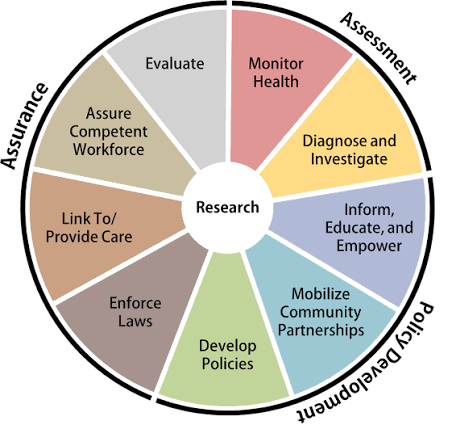
source: health.mn.gov
Health departments perform a wide range of functions that combine technical expertise with administrative efficiency.
Public Health Policy and Planning
Health departments design policies aimed at:
- Disease prevention
- Health promotion
- Environmental safety
These policies are evidence-based and often rely on epidemiological data.
Regulation and Compliance
They regulate:
- Hospitals and clinics
- Pharmaceutical industries
- Medical professionals
Ensuring compliance with health standards is essential to maintain quality care.
Disease Surveillance Systems
Health departments operate surveillance systems that:
- Monitor disease trends
- Detect outbreaks early
- Support rapid response
Health Promotion and Education
Public awareness campaigns educate communities about:
- Preventive healthcare
- Nutrition
- Hygiene practices
Key Divisions within a Health Department
A well-functioning health department consists of specialized divisions.
Epidemiology and Surveillance
This division:
- Analyzes disease patterns
- Conducts research
- Provides data for policy decisions
Environmental Health
Focuses on:
- Air and water quality
- Waste management
- Food safety
Maternal and Child Health
Ensures:
- Safe pregnancies
- Child immunization
- Nutritional support
Health Information Systems (HIS)
Manages:
- Electronic health records
- Data analytics
- Reporting systems
Technical and Operational Framework
Modern health departments rely heavily on advanced technologies.
Health Data Management
Data is collected through:
- Surveys
- Hospitals
- Digital health platforms
Advanced analytics help in decision-making and forecasting.
Laboratory and Diagnostic Systems
Public health laboratories:
- Conduct diagnostic testing
- Confirm disease outbreaks
- Support research initiatives
Emergency Preparedness and Response
Health departments maintain:
- Rapid response teams
- Disaster management plans
- Emergency communication systems
Role in Disease Prevention and Control
Disease prevention is central to public health.
Immunization Programs
Vaccination campaigns have significantly reduced infectious diseases.
Screening and Early Detection
Programs for early diagnosis of diseases such as:
- Cancer
- Diabetes
- Cardiovascular conditions
Vector Control Programs
These programs target carriers like mosquitoes to prevent diseases such as malaria and dengue.
Health Infrastructure Management
Health departments oversee the development and maintenance of healthcare infrastructure.
Hospitals and Healthcare Facilities
Responsibilities include:
- Construction and maintenance
- Staffing and training
- Equipment management
Primary Healthcare Systems
Primary healthcare centers:
- Provide basic medical services
- Reduce burden on tertiary hospitals
Supply Chain and Logistics
Efficient management of:
- Medicines
- Vaccines
- Medical equipment
is essential for uninterrupted healthcare delivery.
Governance and Policy Implementation
Health Legislation
Health departments enforce laws related to:
- Public safety
- Disease control
- Medical ethics
Policy Implementation Mechanisms
Policies are implemented through:
- Government programs
- Partnerships
- Monitoring systems
Challenges Faced by Health Departments
Despite their importance, health departments face several challenges.
Financial Constraints
Limited budgets can affect:
- Infrastructure development
- Workforce availability
Workforce Shortages
There is often a shortage of:
- Doctors
- Nurses
- Public health professionals
Emerging and Re-emerging Diseases
New diseases and mutations require continuous adaptation.
Urbanization and Environmental Issues
Rapid urban growth increases:
- Pollution
- Disease transmission
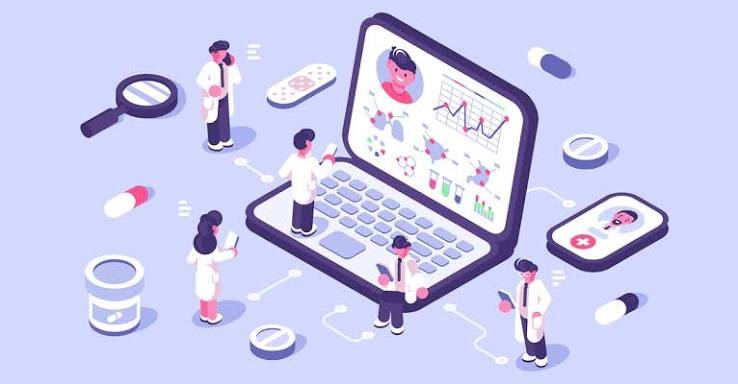
Digital Transformation in Health Departments
source: prognocis.com
Technology is revolutionizing public health systems.
Telemedicine
Provides remote healthcare services, especially in rural areas.
Artificial Intelligence (AI)
AI supports:
- Predictive analytics
- Disease diagnosis
- Resource optimization
Blockchain Technology
Used for:
- Secure health records
- Transparent data management
Role During Global Health Emergencies
The COVID-19 pandemic demonstrated the importance of strong health departments.
Pandemic Preparedness
Includes:
- Stockpiling medical supplies
- Training healthcare workers
Contact Tracing and Surveillance
Helps contain disease spread.
Public Communication Strategies
Accurate information dissemination is crucial to prevent panic and misinformation.
Health Departments in Developing Countries
In developing nations, health departments face unique challenges:
- Limited resources
- Rural healthcare gaps
- High population density
However, collaboration with organizations like UNICEF and the World Bank helps improve healthcare delivery.
Community Engagement and Public Participation
Role of Community Health Workers
They:
- Provide basic healthcare services
- Educate communities
Awareness Campaigns
Promote:
- Hygiene
- Nutrition
- Preventive care
Community participation enhances the effectiveness of health programs.
Research and Innovation in Health Departments
Health departments invest in:
- Medical research
- Epidemiological studies
- Health technology innovations
This helps in developing new treatments and improving healthcare systems.
Future Trends in Health Departments
Personalized Medicine
Healthcare tailored to individual genetic profiles.
Smart Health Systems
Integration of IoT devices for real-time monitoring.
Sustainable Healthcare
Environmentally friendly healthcare practices.
Importance of Global Collaboration
Health issues are no longer confined to national borders. Collaboration with international organizations such as the World Health Organization ensures:
- Knowledge sharing
- Resource mobilization
- Coordinated response to global health threats
Health Economics and Budget Allocation
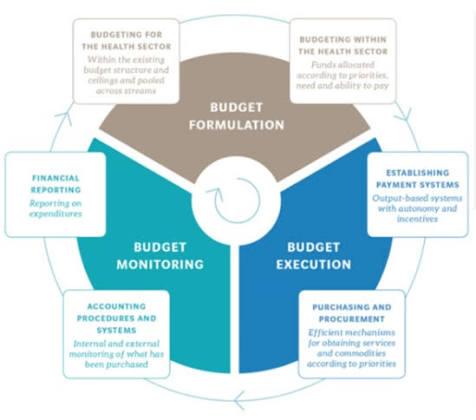
source: who.int
Health departments operate within financial constraints, making health economics a critical component of planning and decision-making.
Budget Planning and Resource Allocation
Health departments allocate budgets across:
- Primary healthcare services
- Infrastructure development
- Disease prevention programs
- Emergency response systems
Efficient allocation ensures maximum health benefits with limited resources.
Cost-Effectiveness Analysis
Health departments use economic tools such as:
- Cost-benefit analysis
- Cost-effectiveness analysis (CEA)
These tools help determine which health interventions provide the greatest impact per unit cost.
Health Policy Evaluation and Monitoring
Developing policies is only one part of governance; evaluating their effectiveness is equally important.
Key Performance Indicators (KPIs)
Health departments track:
- Mortality rates
- Immunization coverage
- Disease incidence rates
These indicators measure the success of public health programs.
Monitoring and Evaluation Systems
Continuous monitoring ensures:
- Policy adjustments
- Improved service delivery
- Accountability
Public-Private Partnerships (PPP) in Healthcare
Health departments increasingly collaborate with private sectors to enhance healthcare delivery.
Role of Private Sector
Private organizations contribute:
- Advanced medical technologies
- Investment in healthcare infrastructure
- Specialized services
Benefits of PPP Models
- Improved efficiency
- Reduced burden on public hospitals
- Increased access to quality healthcare
Health Workforce Planning and Development
A strong workforce is essential for an effective health system.
Workforce Training and Capacity Building
Health departments provide:
- Medical education programs
- Continuous professional development
- Specialized training
Human Resource Management
Effective HR strategies include:
- Recruitment planning
- Retention policies
- Performance evaluation
Organizational Posts and Workforce Structure in a Health Department
The effectiveness of a Health Department depends heavily on its human resource structure. A well-organized workforce ensures efficient implementation of health policies, smooth healthcare delivery, and rapid response to emergencies. The department includes a wide range of professionals from top-level administrators to field workers.
Senior Administrative and Leadership Positions
These roles are responsible for policy-making, governance, and strategic planning.
Health Secretary / Minister of Health
- The highest authority in the health department
- Responsible for national or provincial health policies
- Oversees budgeting, legislation, and strategic direction
Director General of Health Services (DGHS)
- Executes policies designed by the government
- Supervises all health programs and departments
- Coordinates between different divisions
Chief Medical Officer (CMO)
- Provides technical leadership in medical matters
- Supervises healthcare services and hospital operations
- Ensures quality standards in treatment
Medical and Clinical Staff
These professionals are directly involved in patient care and treatment.
Doctors and Physicians
- Diagnose and treat diseases
- Work in hospitals, clinics, and community health centers
- Specialized roles include surgeons, pediatricians, and cardiologists
Nurses
- Provide patient care and assistance
- Monitor patient conditions
- Support doctors during treatments and surgeries
Pharmacists
- Manage and dispense medicines
- Ensure proper drug usage and safety
- Monitor pharmaceutical supply chains
Public Health Professionals
These workers focus on disease prevention, health promotion, and research.
Epidemiologists
- Study disease patterns and causes
- Analyze data to predict outbreaks
- Recommend preventive strategies
Public Health Officers
- Implement health policies at community level
- Conduct awareness campaigns
- Monitor sanitation and hygiene practices
Health Educators
- Promote healthy lifestyles
- Conduct training and awareness sessions
- Work with schools and communities
Technical and Support Staff
These roles ensure the technical functioning and administration of the health system.
Laboratory Technicians
- Conduct medical tests and diagnostics
- Assist in disease detection and research
Health Information Officers
- Manage health data systems
- Maintain electronic health records
- Analyze healthcare statistics
IT Specialists
- Maintain digital health systems
- Ensure cybersecurity of patient data
- Support telemedicine services
Field and Community-Level Workers
These workers are the backbone of grassroots healthcare delivery, especially in rural areas.
Community Health Workers (CHWs)
- Provide basic healthcare services
- Educate communities about hygiene and nutrition
- Act as a link between people and health facilities
Lady Health Workers (LHWs) (common in Pakistan)
- Focus on maternal and child health
- Provide vaccination and family planning services
- Conduct home visits in rural areas
Vaccinators
- Administer immunization programs
- Maintain vaccination records
- Participate in disease prevention campaigns
Frequently Asked Questions:
1. What is the most common health complaint?
The most common health complaints include headaches, respiratory infections, fatigue, and back pain. These issues often result from stress, poor lifestyle habits, infections, or environmental factors.
2. What is the main responsibility of the Department of Health?
The main responsibility is to protect public health by developing policies, regulating healthcare services, preventing diseases, promoting health awareness, and ensuring access to safe and effective medical care.
3. What are the 4 broad types of services in health care?
The four broad types are preventive services, curative services, rehabilitative services, and palliative care. Together, they address disease prevention, treatment, recovery, and long-term patient support.
4. How do I contact the California Department of Public Health?
You can contact the California Department of Public Health through its official website, phone helpline, or email. They also provide regional offices for public assistance and health-related inquiries.
5. What are red flags for doctors?
Red flags include severe pain, sudden weight loss, persistent fever, abnormal bleeding, chest pain, and difficulty breathing. These symptoms may indicate serious or life-threatening medical conditions requiring immediate attention.
6. What are the top 3 reasons for complaints?
The top reasons include poor communication, delayed or incorrect diagnosis, and unsatisfactory treatment outcomes. These issues often lead to dissatisfaction and mistrust in healthcare services.
7. Why would someone go to the health department?
People visit for vaccinations, disease testing, health certificates, maternal care, public health services, or to report health concerns. It also provides preventive care and community health programs.
8. What are the 4 P’s in healthcare?
The 4 P’s are Preventive, Predictive, Personalized, and Participatory healthcare. This model focuses on early detection, tailored treatment, patient involvement, and proactive health management strategies.
9. What does “DOH” mean in texting?
In texting, “DOH” expresses frustration or realization of a mistake. It is often used humorously when someone recognizes an obvious error or forgetfulness.
10. What are the 4 C’s of healthcare?
The 4 C’s are Care, Compassion, Competence, and Communication. These principles ensure quality healthcare by emphasizing skilled treatment, empathy, professionalism, and clear interaction with patients.
Conclusion:
In conclusion, the Health Department is a vital institution that ensures the protection and improvement of public health through effective policies, healthcare services, and disease prevention strategies. Its structured workforce, advanced technologies, and collaborative efforts enhance healthcare delivery. Despite challenges like limited resources and emerging diseases, continuous innovation and strong management can strengthen its role. Ultimately, a well-functioning health department is essential for building a healthy, safe, and sustainable society.
Leave a Reply